Product blog
Product blog
Product updates, field guides, and field notes—each with links to docs and the hub where relevant. High-level milestones also appear on the changelog.
Topic
 Read
ReadField guide · Jun 16, 2026
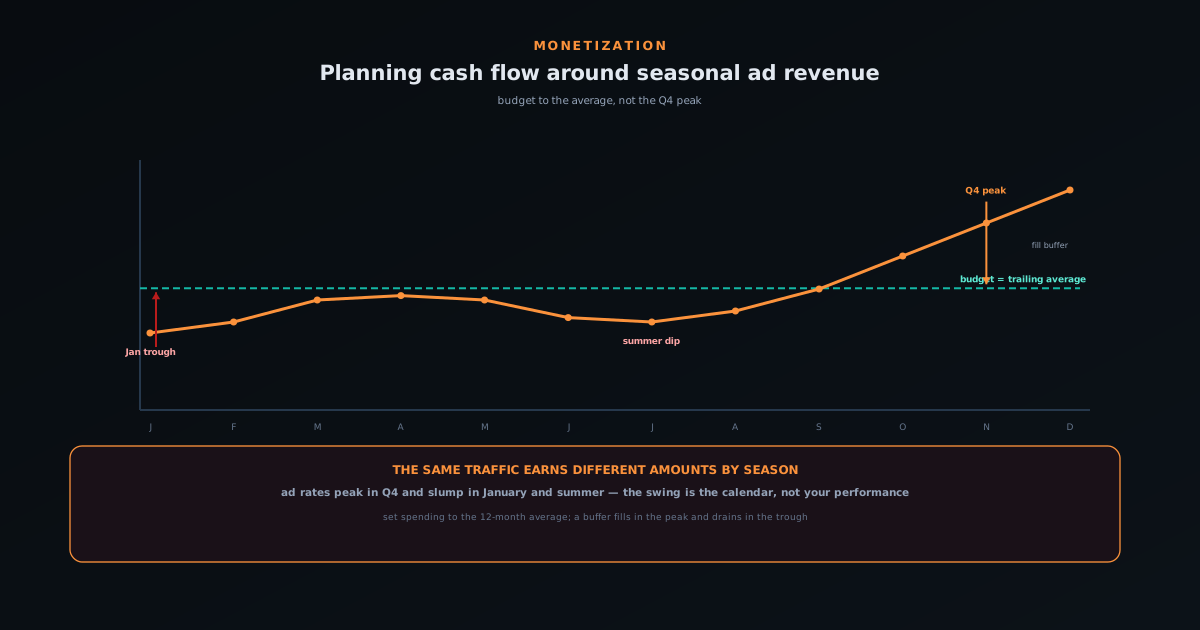
Planning cash flow around seasonal ad revenue
A clear-eyed look at the seasonality of ad income and how to plan around it: why ad rates swing by season regardless of your traffic, the danger of treating a Q4 peak as your baseline, budgeting to a trailing average rather than the high, building a buffer that smooths the trough, and separating the revenue cycle from your spending decisions. Educational, not financial advice.
- Ad rates peak in Q4, slump after
- Budget to the average, not the peak
- A buffer smooths the trough
Novus Stream Solutions (hub)
 Read
ReadField guide · Jun 16, 2026
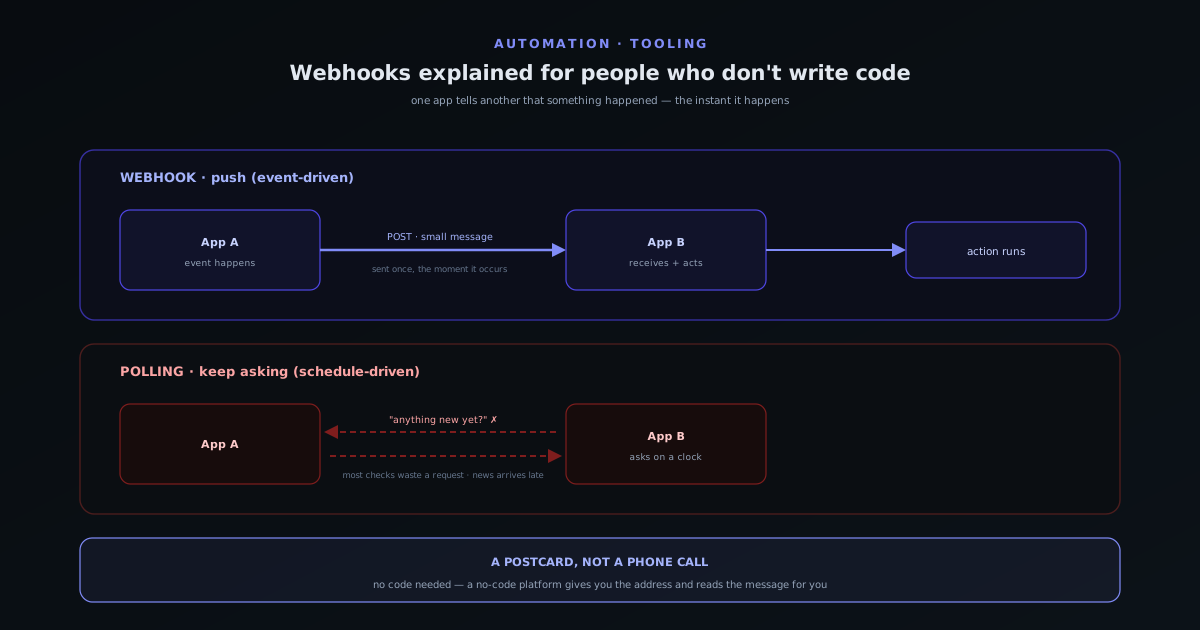
Webhooks explained for people who don't write code
A no-jargon explanation of webhooks for non-developers: the postcard-versus-phone-call analogy, how webhooks differ from polling and why that matters, what is actually inside a webhook message, how to wire two tools together with a no-code platform, and the few reliability and security details — retries, verifying the sender, acknowledging receipt — that keep an automation from silently failing.
- One app pings another instantly
- Push, not constant polling
- No code needed to use them
Novus Stream Solutions (hub)
 Read
ReadProduct highlight · Jun 15, 2026
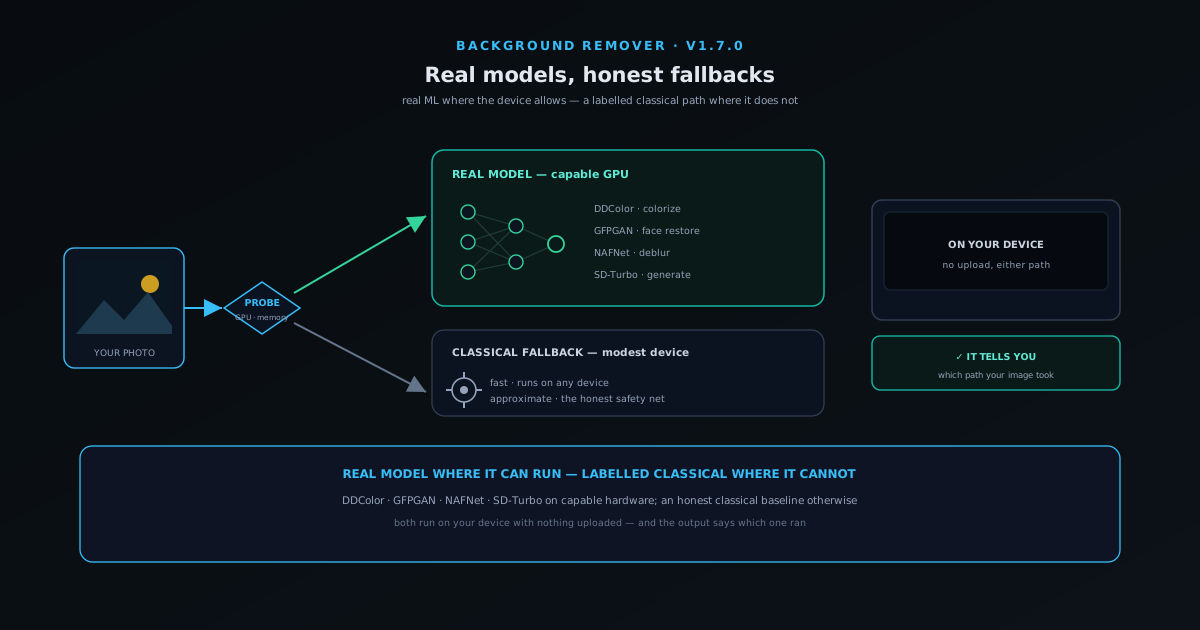
When the fallback becomes the real thing: real AI models vs classical baselines in the browser
The v1.7.0 "real models everywhere" shift explained: what a real model (a segmentation network for background removal, a super-resolution model for upscaling) actually buys you over a classical baseline like a bicubic resize, why the fallback still has a job, how the app decides which to run, and why telling you which one ran is the whole point of "honest everywhere".
- Real models where hardware allows
- Honest classical fallback elsewhere
- It tells you which one ran
NSS Background Remover
 Read
ReadProduct highlight · Jun 15, 2026
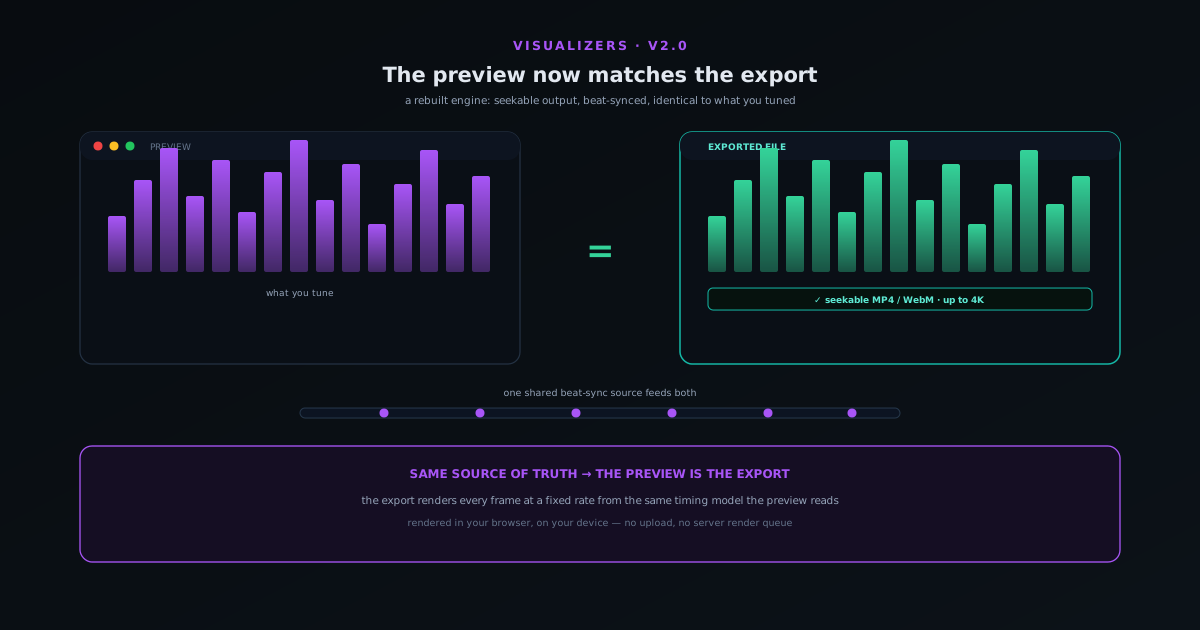
Why the preview now matches the export: rebuilding a music-visualizer render engine
A deep dive into the v2.0 export engine: why preview and export drift apart in the first place, what "seekable" means and why scrubbing used to break, how beat-sync stays locked between the live preview and the rendered file, why every mode is now visually distinct, and what an honest in-browser render pipeline owes the user.
- The export equals the preview
- Seekable MP4/WebM output
- Beat-sync locked end to end
Novus Visualizers
 Read
ReadField guide · Jun 15, 2026
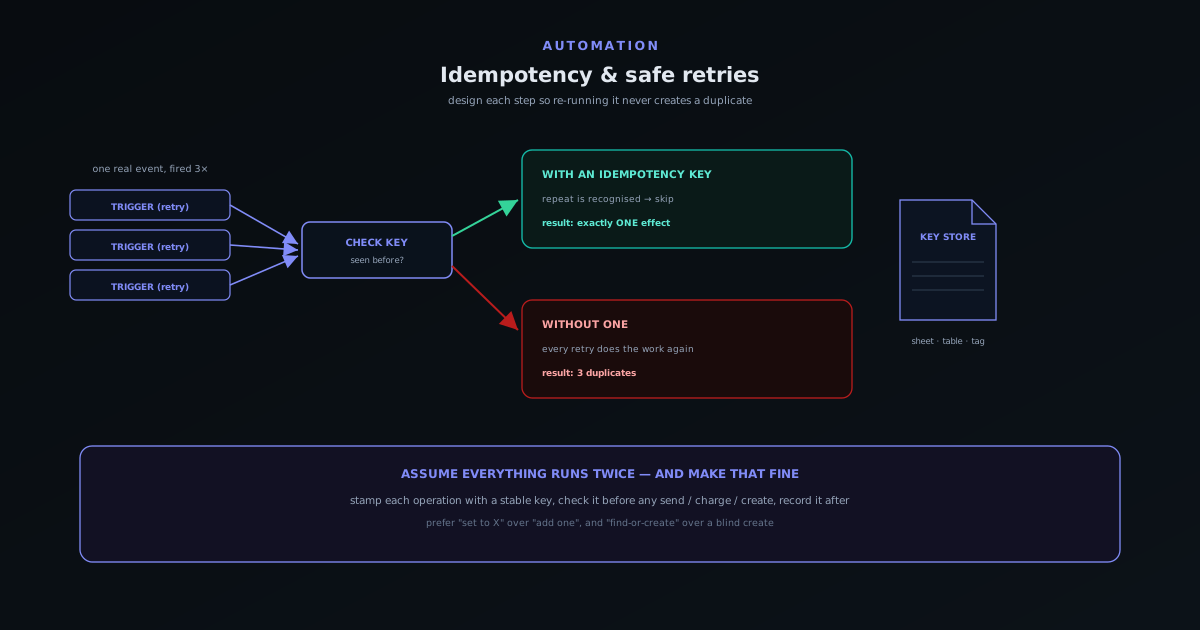
Idempotency and safe retries: no-code automations you can re-run without fear
Why automations fire twice, what idempotency actually means in plain terms, the keys and checks that make a step safe to re-run, how to handle the steps you do not control, and a simple checklist for building no-code workflows that survive retries without double emails, double charges, or ghost records.
- Why automations fire twice
- Idempotency in plain terms
- A safe-retry checklist
Novus Stream Solutions (hub)
 Read
ReadField guide · Jun 15, 2026
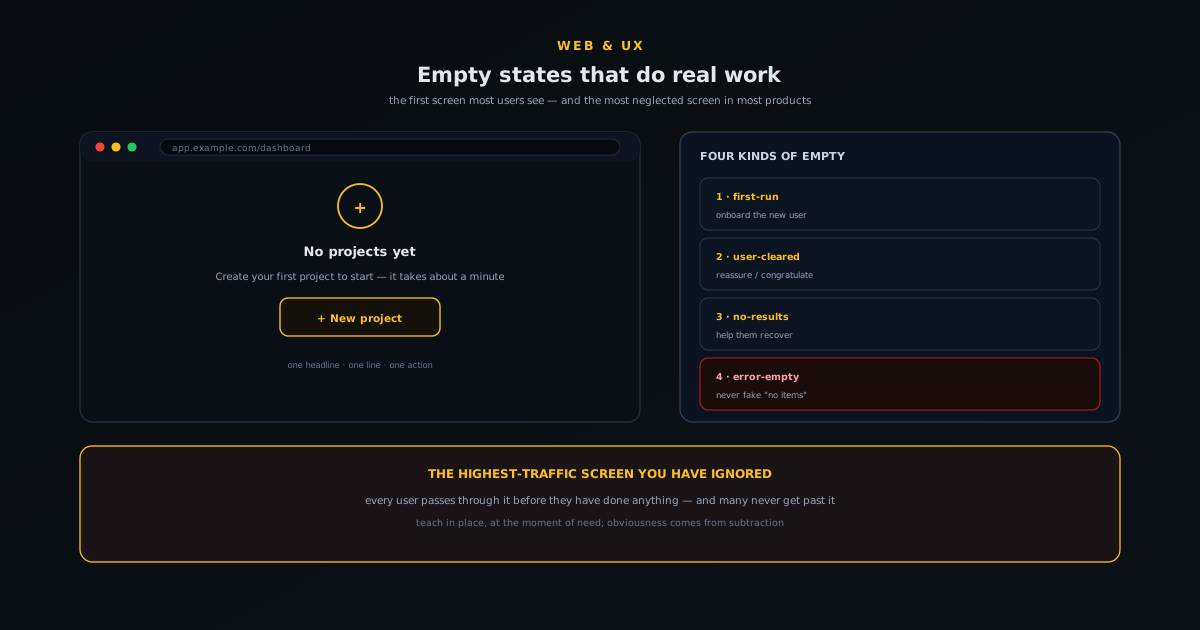
Empty states that do real work: designing the screen users hit first
Why the empty state is the highest-traffic screen you have ignored, the four kinds of empty (first-run, user-cleared, no-results, error-empty) and what each one owes the user, the anatomy of an empty state that does work, and the small copy and design choices that turn a blank screen into momentum.
- The first screen users see
- Four kinds of empty
- Blank screen to momentum
Novus Stream Solutions (hub)
 Read
ReadField guide · Jun 15, 2026
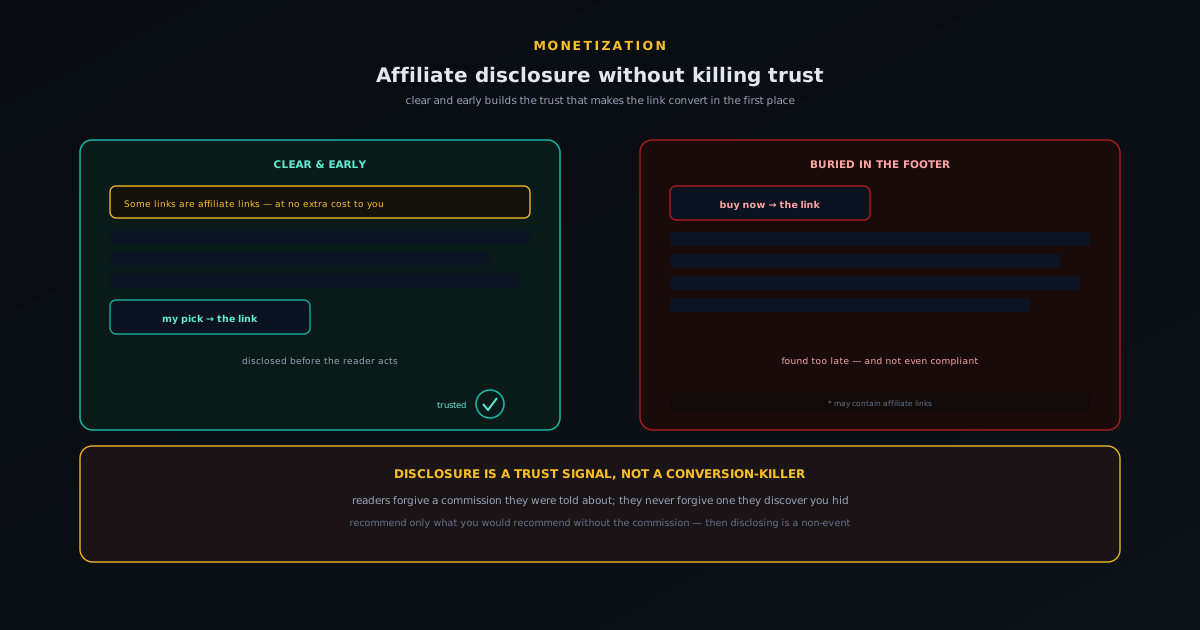
Affiliate disclosure without killing trust (or conversions)
Why hidden disclosure is both a legal risk and a trust risk, where and how to disclose so it reassures rather than alarms, the recommendation discipline that makes disclosure a non-event, and why the audience that trusts you because you disclose is worth far more than the clicks you would steal by hiding it.
- Required, not a conversion-killer
- Clear, early placement
- Trust is the real asset
Novus Stream Solutions (hub)
 Read
ReadField guide · Jun 15, 2026
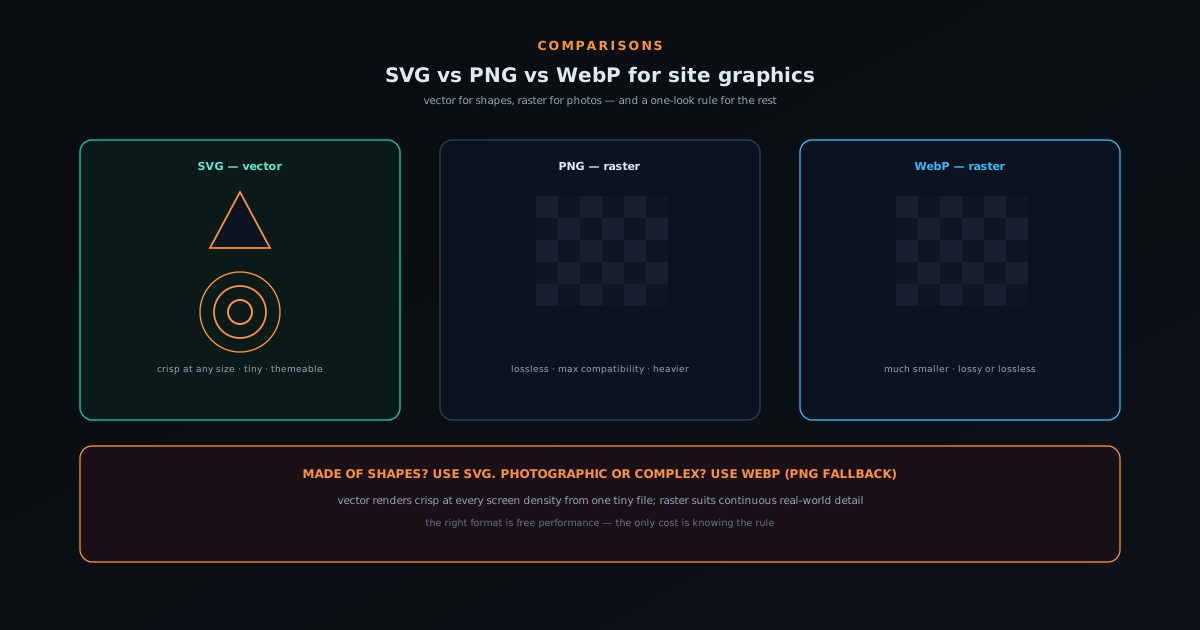
SVG vs PNG vs WebP: choosing the right format for site & UI graphics
The vector-versus-raster distinction that actually decides the choice, where SVG is unbeatable (logos, icons, illustrations) and where it falls apart (photos), how PNG and WebP differ for the raster cases, the transparency and crispness traps, and a simple decision rule you can apply to any graphic on your site.
- Vector vs raster, decided
- When SVG wins (and loses)
- A one-look decision rule
Novus Stream Solutions (hub)
 Read
ReadField guide · Jun 15, 2026
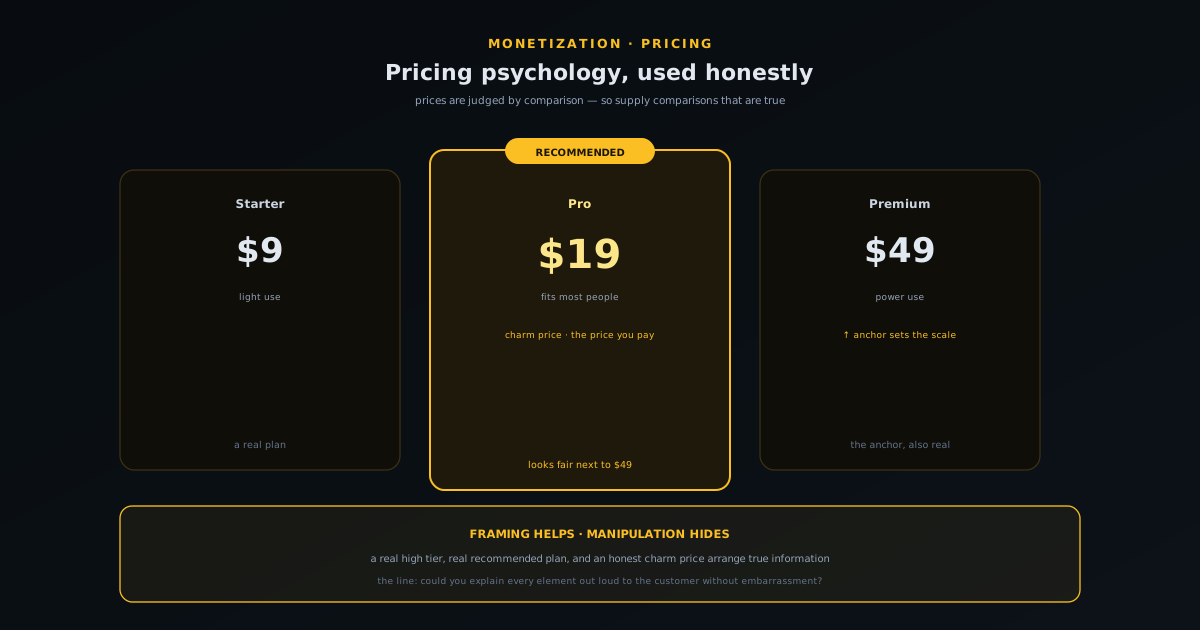
Pricing psychology, used honestly
A clear-eyed tour of pricing psychology for people who would rather persuade than trick: why prices are judged by comparison rather than in absolute terms, how anchoring and tiering and charm pricing and the decoy effect actually work, the bright line between framing a fair choice and manufacturing a false one, and why honest pricing is the better long-game for a business that wants customers to come back.
- Prices are judged by comparison
- Frame the choice, don’t rig it
- Honest pricing keeps customers
Novus Stream Solutions (hub)
 Read
ReadProduct highlight · Jun 14, 2026
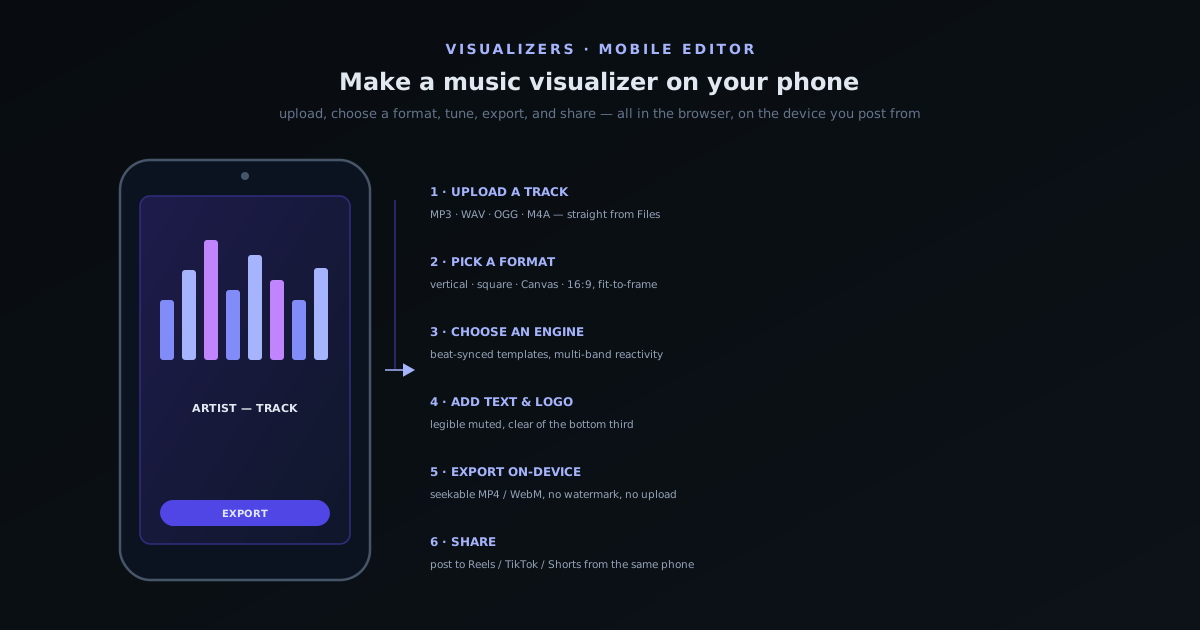
Make a music visualizer on your phone, start to finish
The full phone workflow: why the v2.0 mobile editor makes a desktop optional, picking a track and a format, choosing an engine and syncing it to the beat, adding text and a logo, exporting on-device, sharing to Reels and TikTok, and getting good results within mobile's limits.
- No desktop needed
- Vertical & Canvas formats
- Export & share on-device
Novus Visualizers