Product blog
Product blog
Product updates, field guides, and field notes—each with links to docs and the hub where relevant. High-level milestones also appear on the changelog.
Topic
 Read
ReadField guide · Jun 22, 2026
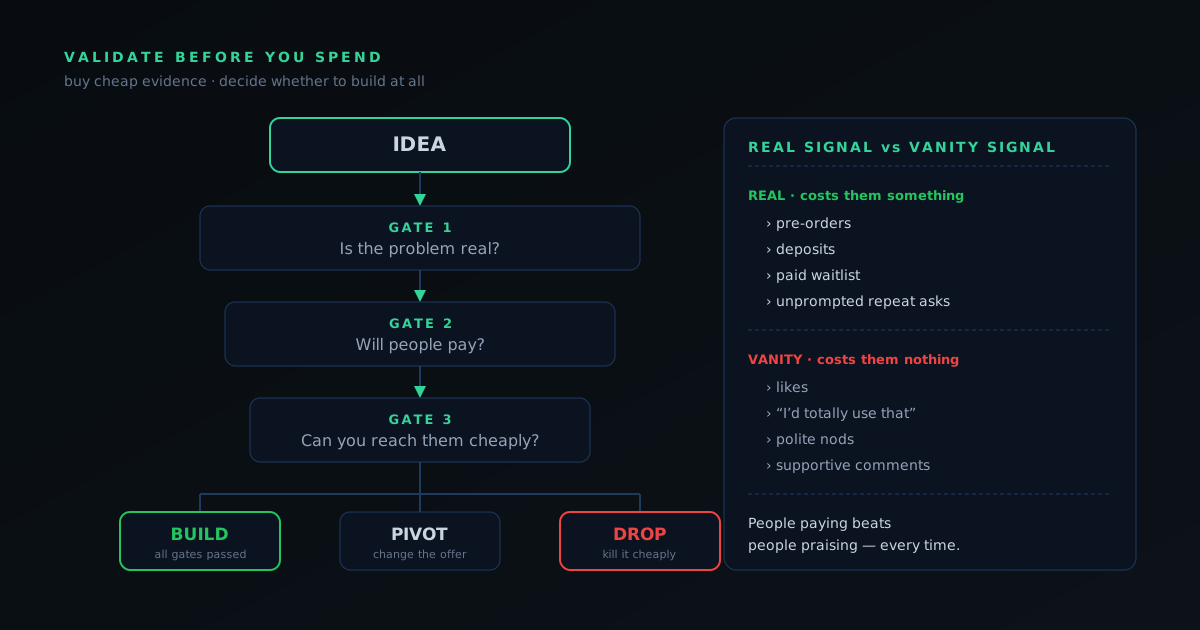
Validate a business idea before you spend a dollar
A cheapest-first sequence for proving demand before you build anything, so you spend money on confirmed interest rather than hope.
- Real signal vs vanity signal
- The mom-test way to interview
- Set a kill threshold before you test
Novus Stream Solutions (hub)
 Read
ReadField guide · Jun 22, 2026
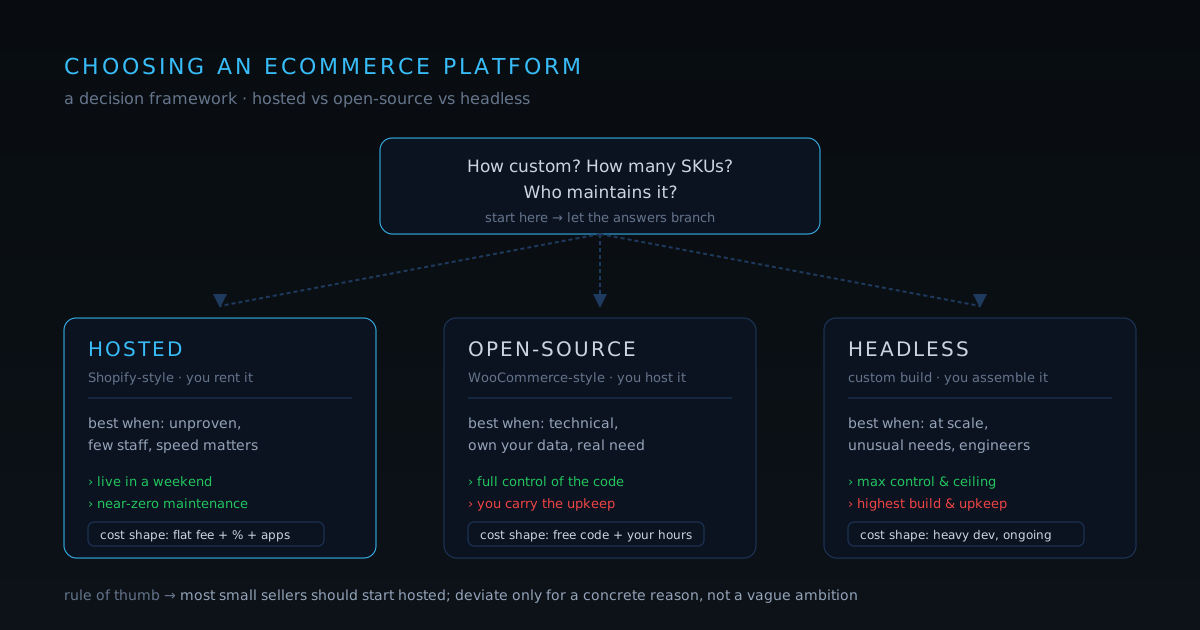
Choosing an ecommerce platform: hosted vs open-source vs headless
A decision framework for matching an ecommerce platform to your real constraints, not the hype around any one product.
- Compare on total cost, not sticker price
- Most small sellers should start hosted
- The specific reasons to deviate
Novus Stream Solutions (hub)
 Read
ReadField guide · Jun 18, 2026
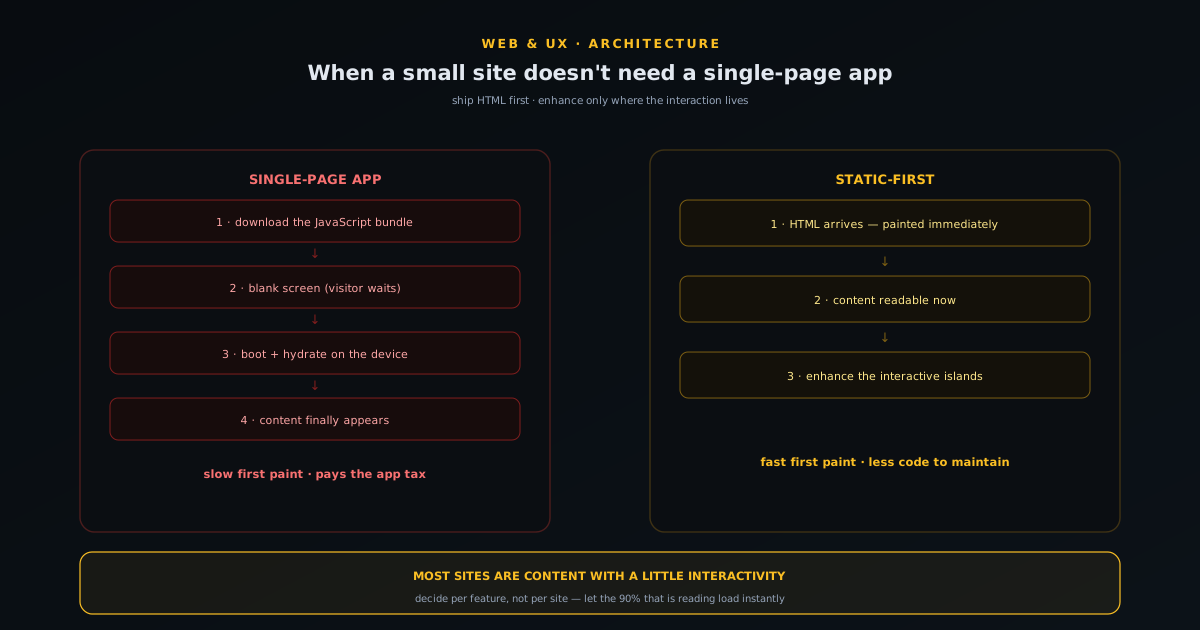
Static-first: when a small site doesn't need a single-page app
A plain-English case for building static-first instead of reaching for a single-page app by reflex: what a SPA actually costs in load time, complexity, and fragility; why most small sites are content with a little interactivity, not apps; what progressive enhancement buys you; how to decide per-feature rather than per-site; and the narrow cases where a SPA genuinely earns its keep.
- Ship HTML first, enhance second
- SPAs cost load time and complexity
- Decide per feature, not per site
Novus Stream Solutions (hub)
 Read
ReadField guide · Jun 18, 2026
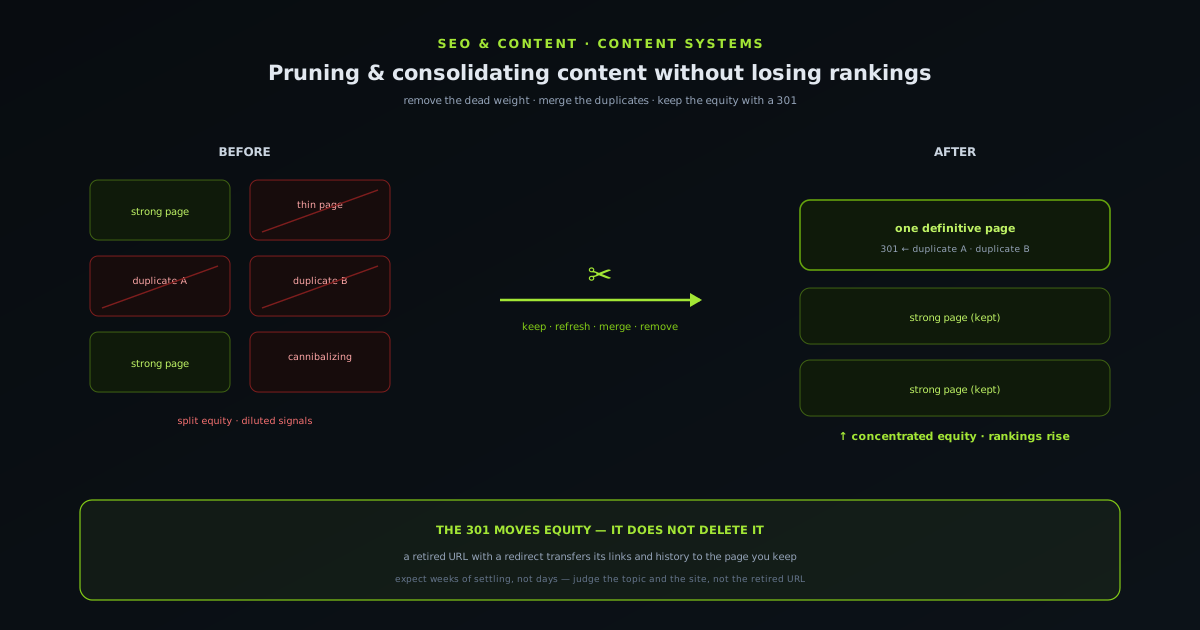
Pruning and consolidating content without losing rankings
A careful playbook for cleaning up a content library: why thin and duplicate pages drag down the whole site, how to audit what you have by traffic and intent, the keep / refresh / merge / remove decision, how keyword cannibalization happens and how to fix it by consolidating, and why the 301 redirect is the tool that lets you do all of this without losing the equity you built.
- Merge competing pages, redirect the rest
- Fix keyword cannibalization
- 301s preserve the equity you keep
Novus Stream Solutions (hub)
 Read
ReadField guide · Jun 17, 2026
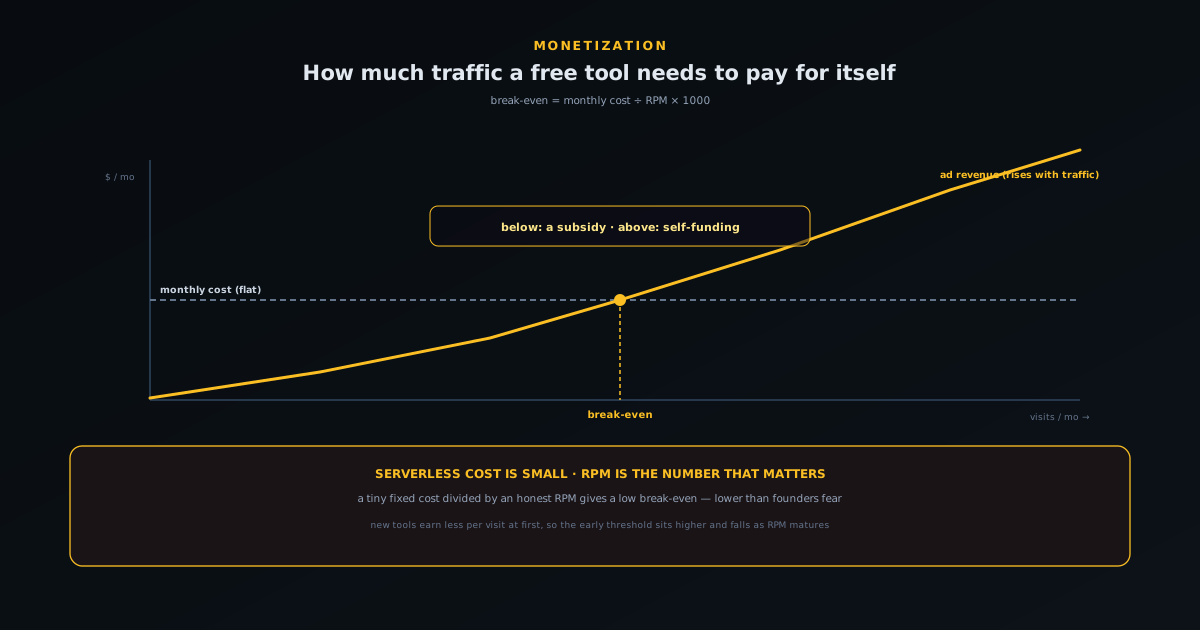
How much traffic a free tool needs to pay for itself
A clear-eyed estimate of the traffic a free, ad-supported tool needs to fund itself: what RPM really means and why it is the number that matters, the genuinely small cost base of a serverless tool, the simple break-even math, why a new tool earns far less per visit at first, and why traffic quality changes the answer as much as quantity. Educational, not financial advice.
- Break-even = costs ÷ RPM
- Serverless costs are tiny
- New tools earn less per visit at first
Novus Stream Solutions (hub)
 Read
ReadField guide · Jun 17, 2026
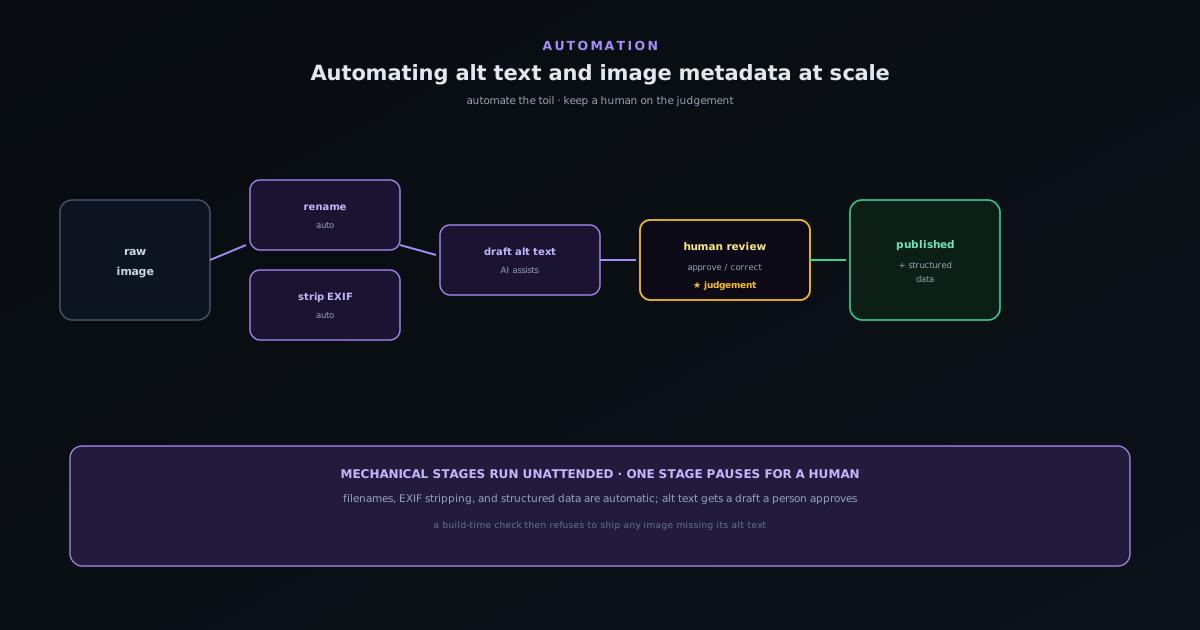
Automating alt text and image metadata at scale
A practical approach to image metadata when there are too many images to handle by hand: what metadata actually covers, why alt text is for people before search engines, how to use AI to draft alt text without shipping confident nonsense, generating filenames and stripping EXIF as a pipeline step, and a build-time check that keeps the whole library honest.
- Automate the toil, keep the judgement
- AI drafts alt text; a human approves
- Strip EXIF; check it at build
NSS Background Remover
 Read
ReadField guide · Jun 17, 2026
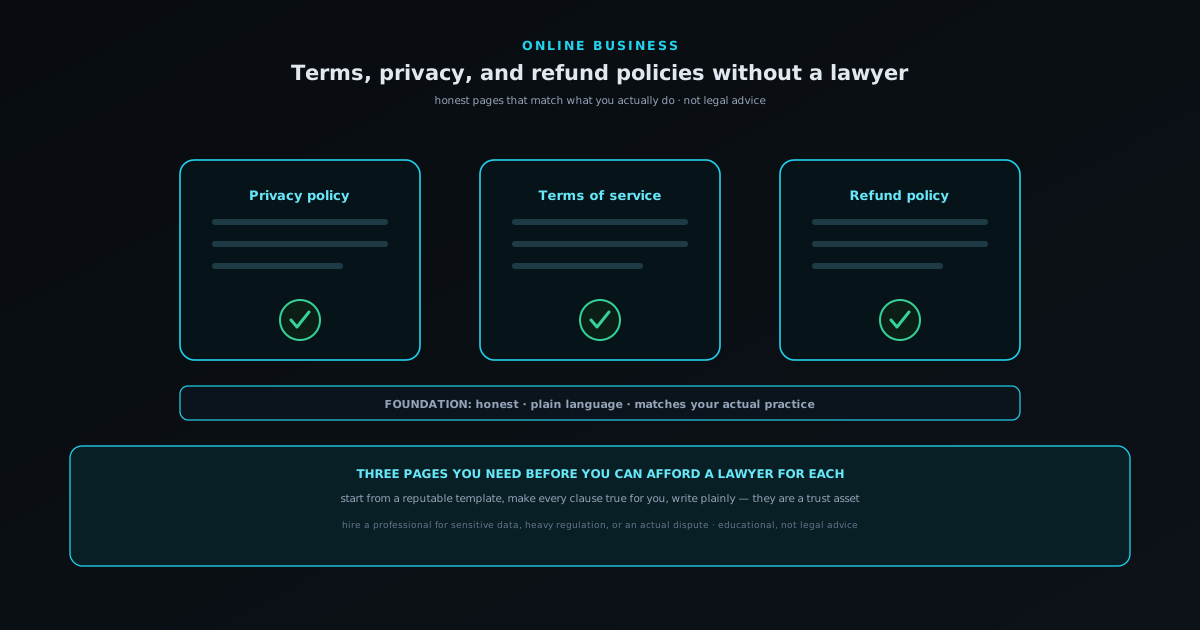
Terms, privacy, and refund policies without a lawyer
A practical, non-lawyer guide to the three policy pages a small online business actually needs: what a privacy policy, terms of service, and refund policy each do, why starting from a reputable template beats a blank page, why the words must match what you actually do, the case for plain language over legalese, and the specific situations where you should stop and hire a professional. Educational, not legal advice.
- Three pages: privacy, terms, refunds
- Match the words to your behaviour
- Know when to hire a lawyer
Novus Stream Solutions (hub)
 Read
ReadField guide · Jun 16, 2026
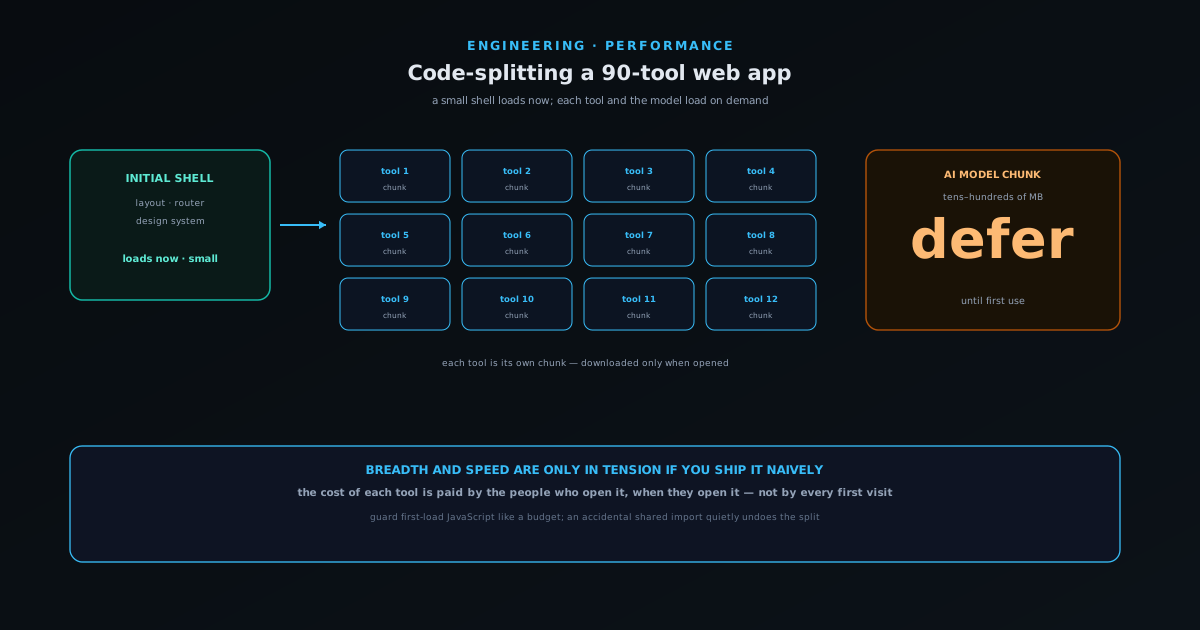
Code-splitting a large web app: how lazy routes keep it fast
How the NSS Background Remover stays fast to open despite many tools: route-level code-splitting so each tool is its own chunk, lazy boundaries that defer the heavy parts, deferring multi-megabyte AI models until a tool actually needs them, and the measurements that tell you whether any of it worked.
- Each tool is its own chunk
- Models load only on demand
- Measure first-load JS, not total
NSS Background Remover
 Read
ReadField guide · Jun 16, 2026
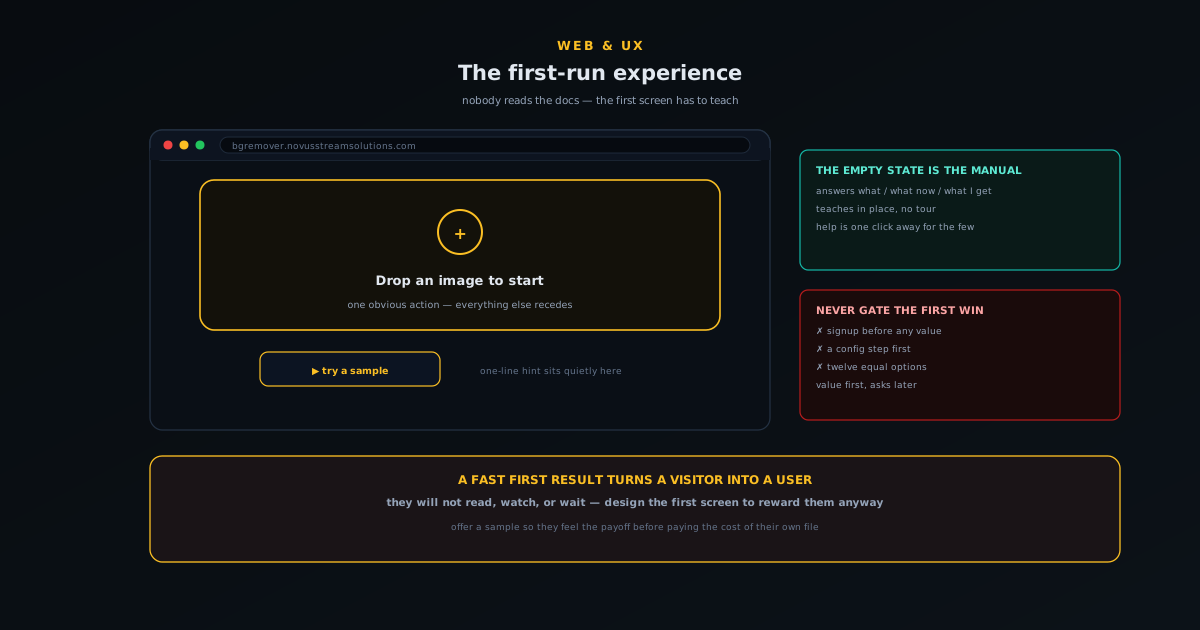
The first-run experience: onboarding a tool nobody reads docs for
How to onboard a tool that no one reads docs for: why the first screen is the only instruction most users will ever see, designing the empty state to teach rather than just sit there, making the single most important action unmissable, getting to a first result fast, and layering help so it is there without being in the way.
- The empty screen is the manual
- One obvious first action
- A fast, visible first win
NSS Background Remover
 Read
ReadField guide · Jun 16, 2026
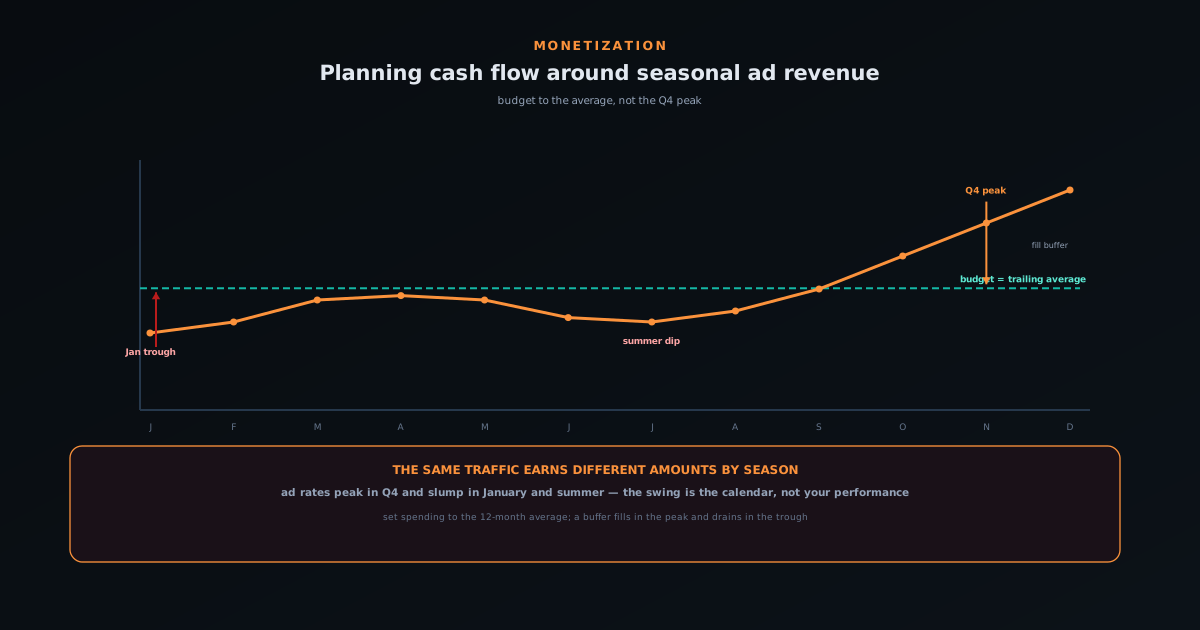
Planning cash flow around seasonal ad revenue
A clear-eyed look at the seasonality of ad income and how to plan around it: why ad rates swing by season regardless of your traffic, the danger of treating a Q4 peak as your baseline, budgeting to a trailing average rather than the high, building a buffer that smooths the trough, and separating the revenue cycle from your spending decisions. Educational, not financial advice.
- Ad rates peak in Q4, slump after
- Budget to the average, not the peak
- A buffer smooths the trough
Novus Stream Solutions (hub)