Product blog
Product blog
Product updates, field guides, and field notes—each with links to docs and the hub where relevant. High-level milestones also appear on the changelog.
Topic
 Read
ReadField guide · Jun 17, 2026
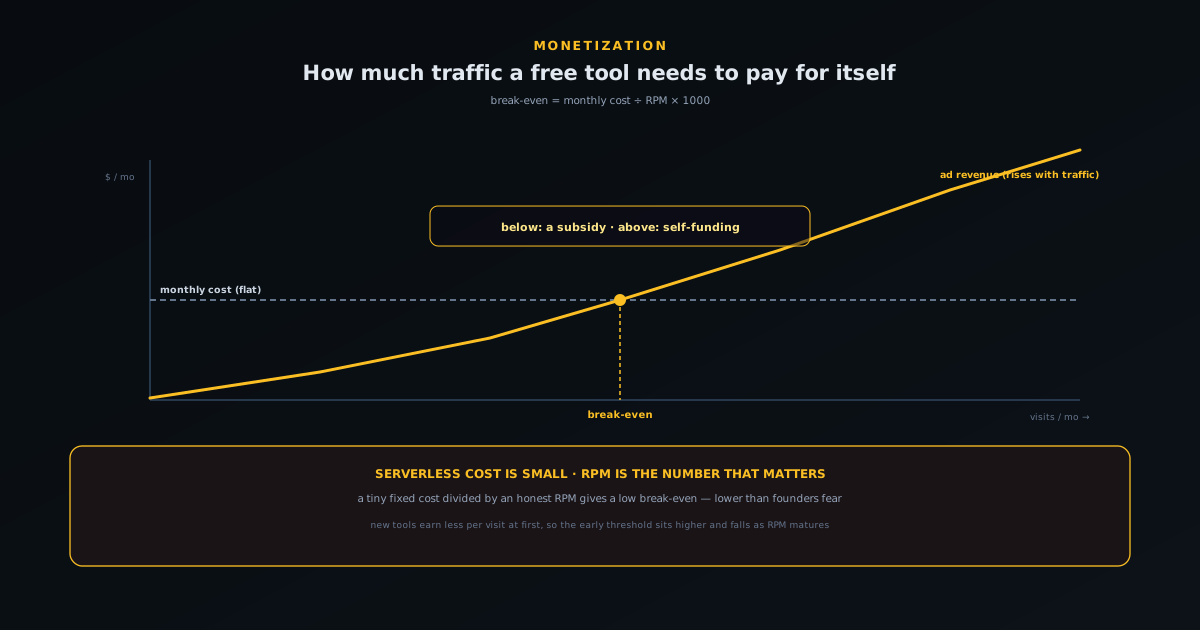
How much traffic a free tool needs to pay for itself
A clear-eyed estimate of the traffic a free, ad-supported tool needs to fund itself: what RPM really means and why it is the number that matters, the genuinely small cost base of a serverless tool, the simple break-even math, why a new tool earns far less per visit at first, and why traffic quality changes the answer as much as quantity. Educational, not financial advice.
- Break-even = costs ÷ RPM
- Serverless costs are tiny
- New tools earn less per visit at first
Novus Stream Solutions (hub)
 Read
ReadField guide · Jun 16, 2026
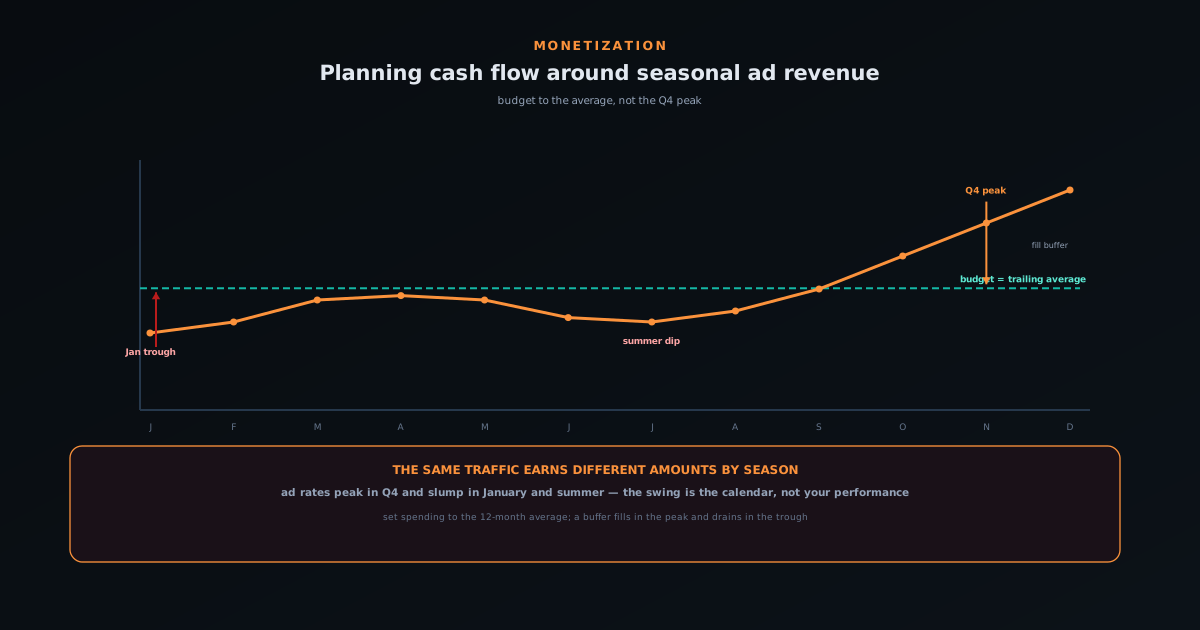
Planning cash flow around seasonal ad revenue
A clear-eyed look at the seasonality of ad income and how to plan around it: why ad rates swing by season regardless of your traffic, the danger of treating a Q4 peak as your baseline, budgeting to a trailing average rather than the high, building a buffer that smooths the trough, and separating the revenue cycle from your spending decisions. Educational, not financial advice.
- Ad rates peak in Q4, slump after
- Budget to the average, not the peak
- A buffer smooths the trough
Novus Stream Solutions (hub)
 Read
ReadField guide · Jun 15, 2026
Affiliate disclosure without killing trust (or conversions)
Why hidden disclosure is both a legal risk and a trust risk, where and how to disclose so it reassures rather than alarms, the recommendation discipline that makes disclosure a non-event, and why the audience that trusts you because you disclose is worth far more than the clicks you would steal by hiding it.
- Required, not a conversion-killer
- Clear, early placement
- Trust is the real asset
Novus Stream Solutions (hub)
 Read
ReadField guide · Jun 15, 2026
Pricing psychology, used honestly
A clear-eyed tour of pricing psychology for people who would rather persuade than trick: why prices are judged by comparison rather than in absolute terms, how anchoring and tiering and charm pricing and the decoy effect actually work, the bright line between framing a fair choice and manufacturing a false one, and why honest pricing is the better long-game for a business that wants customers to come back.
- Prices are judged by comparison
- Frame the choice, don’t rig it
- Honest pricing keeps customers
Novus Stream Solutions (hub)
 Read
ReadField guide · Jun 10, 2026
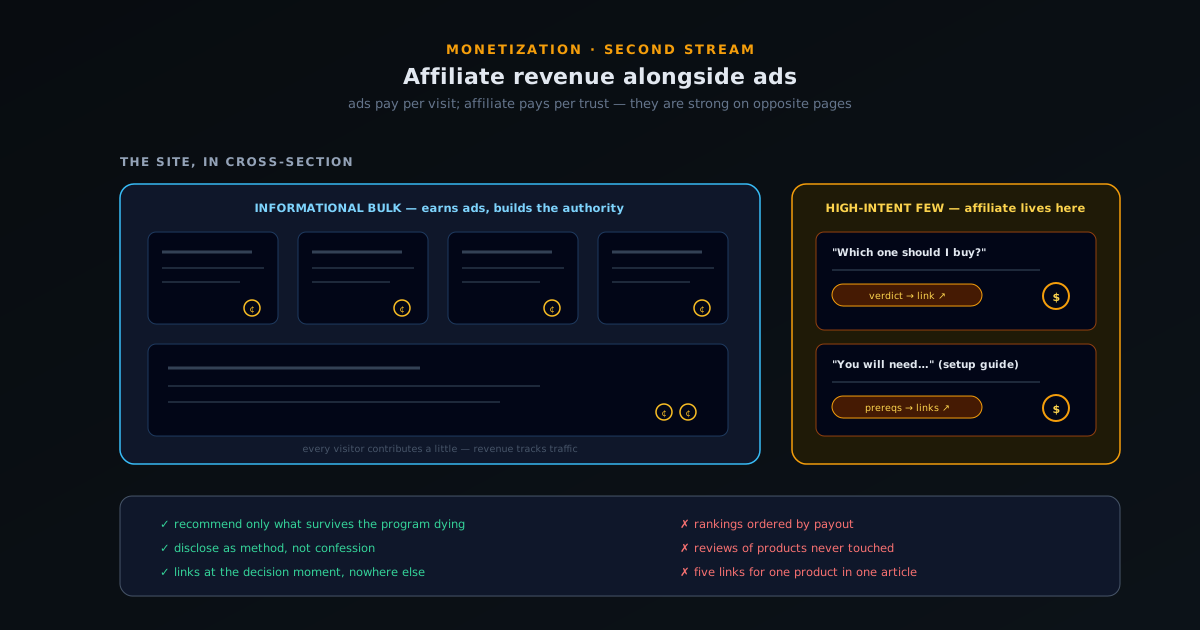
Affiliate revenue alongside ads: adding a second income stream without selling out
How an ad-supported site adds affiliate income honestly: the economics of cents-per-visitor versus dollars-per-conversion, picking programs by relevance rather than commission, disclosure that builds trust instead of burying it, and the review-content trap to avoid.
- Ads pay per visit, affiliate per trust
- Recommend only what you would anyway
- Disclosure as a trust asset
Novus Stream Solutions
 Read
ReadField guide · Jun 10, 2026
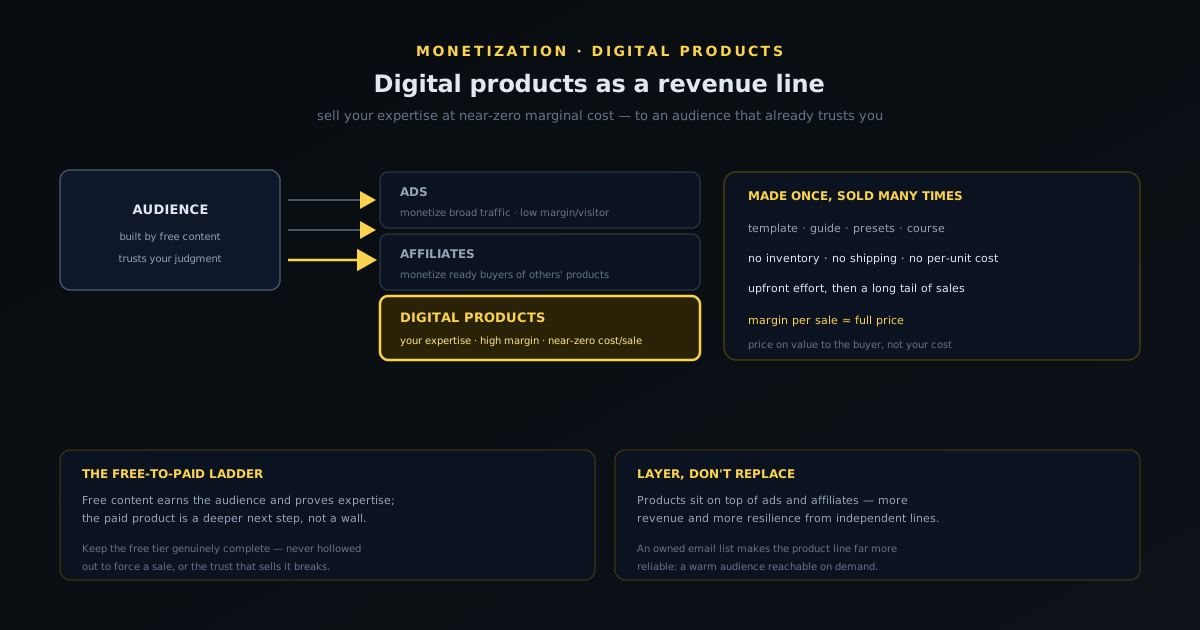
Digital products as a revenue line for a content site
Why digital products fit a content site, the formats that work, pricing and near-zero marginal cost, and how to sell without breaking the trust that the free content built.
- Near-zero marginal cost
- Formats that actually sell
- Sell without breaking trust
Novus Stream Solutions (hub)
 Read
ReadField guide · Jun 7, 2026
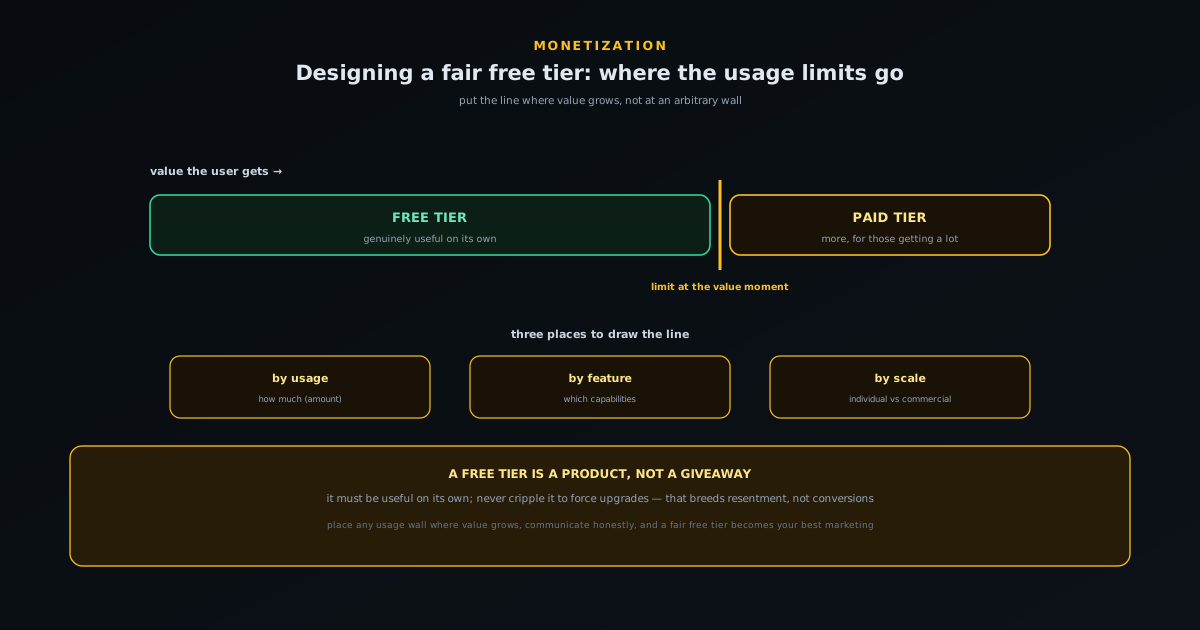
Designing a fair free tier: where the usage limits go
A practical guide to designing a free tier that works: why it is a product decision rather than a giveaway, what a free tier is actually for, the difference between crippling it to force upgrades and making it genuinely useful, where to place limits — by usage, feature, or scale — so they track the value rather than punish the user, and how to protect your costs without making the free tier feel like a hostage situation.
- A free tier is a product decision
- Useful alone, not crippled
- Limits should track value, not punish
Novus Stream Solutions (hub)
 Read
ReadField guide · Jun 4, 2026
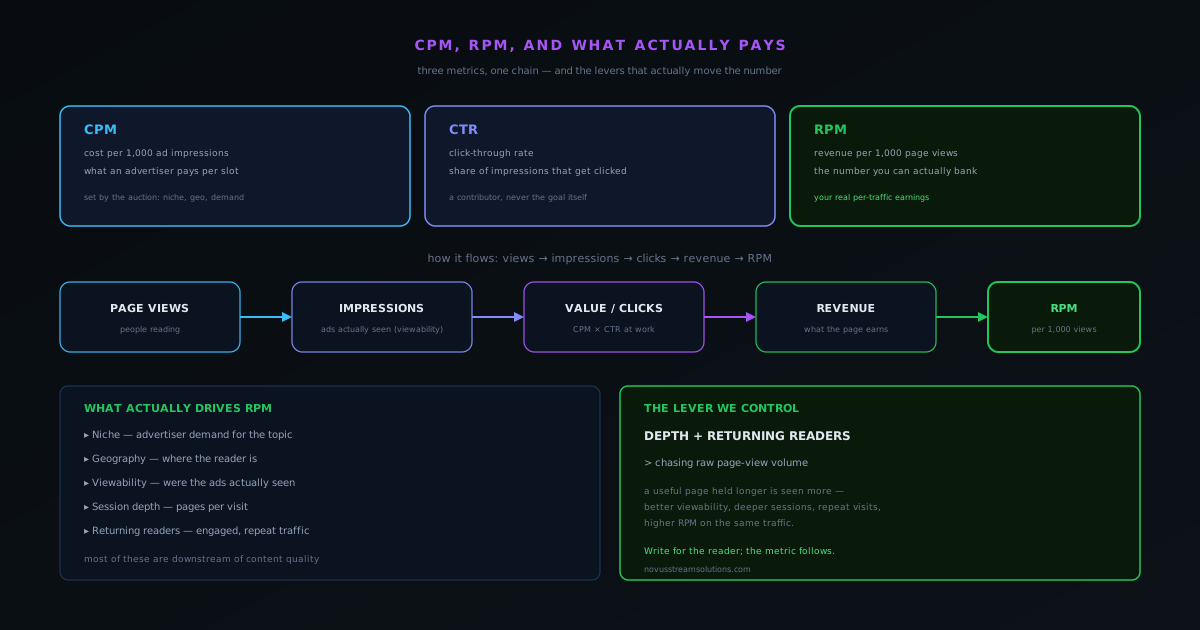
CPM, RPM, and what actually pays
A plain-language guide to ad-revenue metrics and what really drives the only number you can bank.
- RPM is the real number
- Depth beats volume
- Engagement compounds
Novus Stream Solutions (hub)
 Read
ReadField notes · Jun 3, 2026
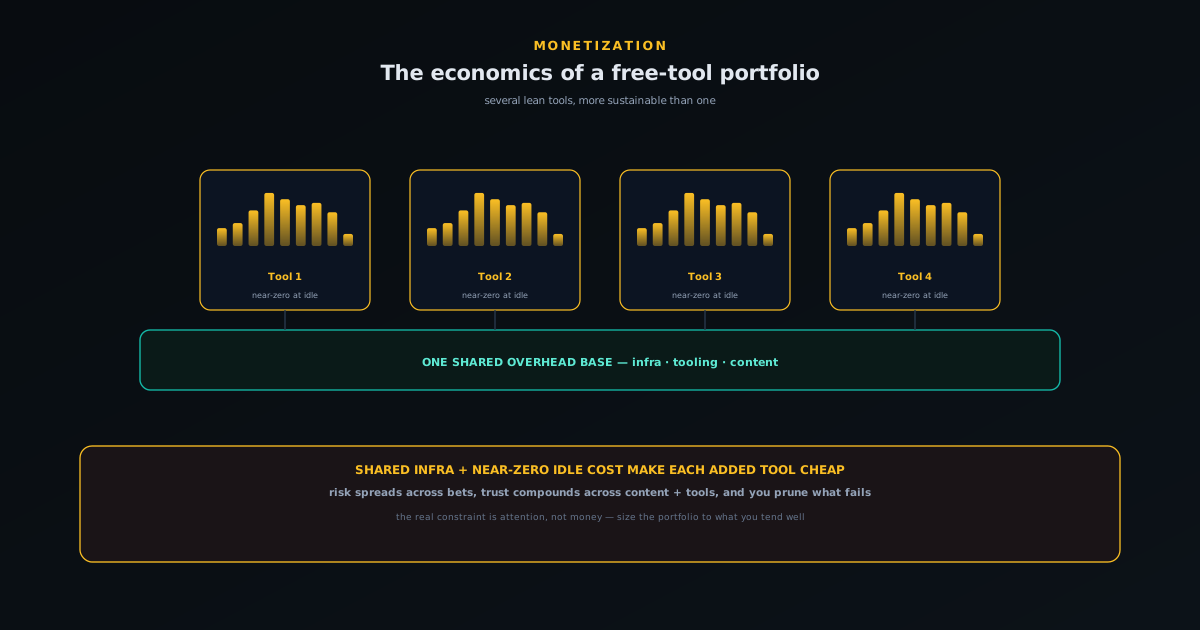
The economics of a free-tool portfolio
The economics behind running a portfolio of free tools: shared overhead, near-zero idle cost per tool, spread risk, and the compounding trust that makes several lean tools more resilient than one.
- Shared overhead, spread risk
- Each tool near-free at idle
- Trust compounds across tools
Novus Stream Solutions
 Read
ReadField guide · Jun 2, 2026
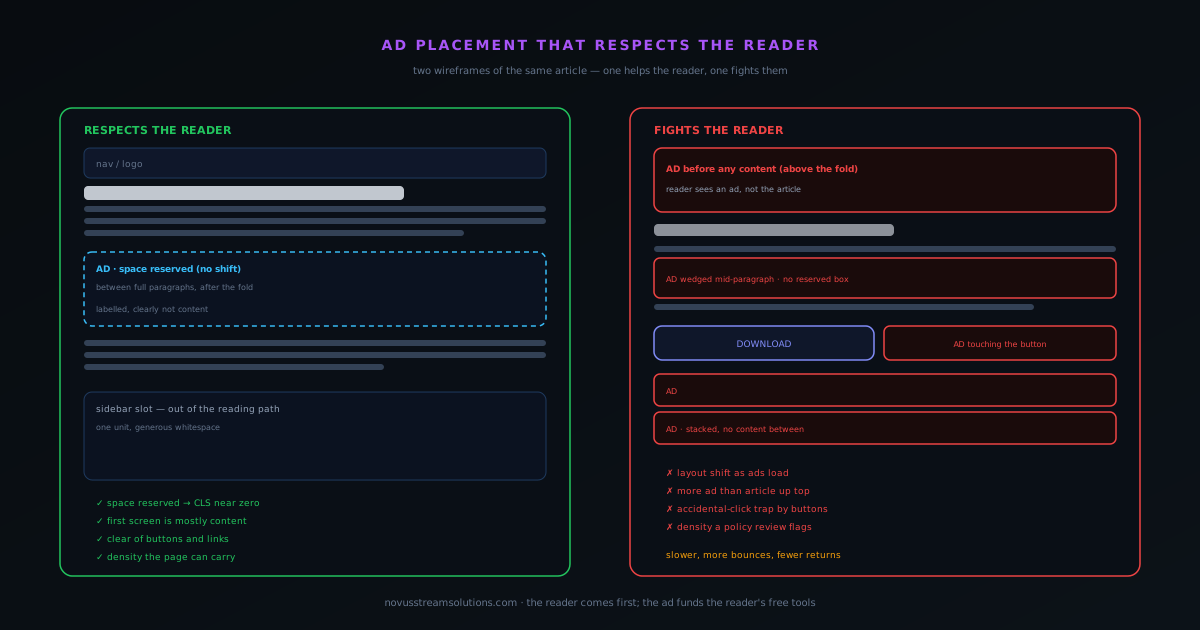
Ad placement that respects the reader
A practical, reader-first guide to ad placement, density, and reserving space so layout never shifts.
- Content above ads
- Reserve every slot
- Never near buttons
Novus Stream Solutions (hub)