Category
Stack & engineering
The locked, opinionated stack behind the Novus ecosystem and how it is built — code-as-content architecture, type-safe content, edge rendering, and the AI-assisted engineering workflow that ships it solo.
19 articles
Stack & engineering · Jun 16, 2026
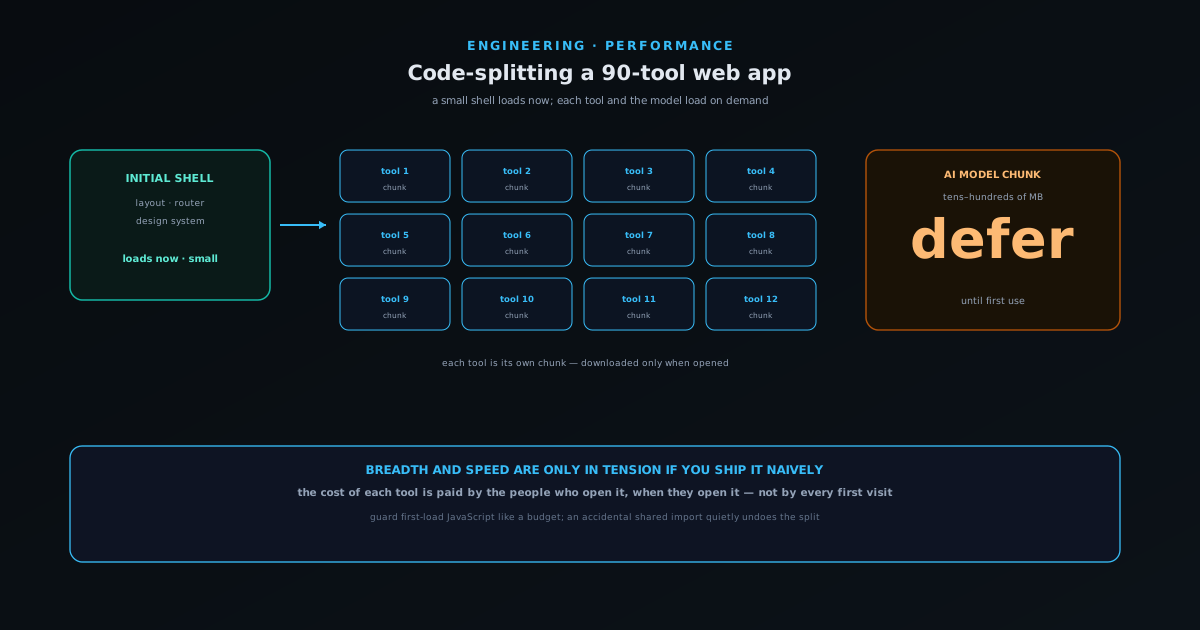
Code-splitting a large web app: how lazy routes keep it fast
How the NSS Background Remover stays fast to open despite many tools: route-level code-splitting so each tool is its own chunk, lazy boundaries that defer the heavy parts, deferring multi-megabyte AI models until a tool actually needs them, and the measurements that tell you whether any of it worked.
NSS Background Remover
Stack & engineering · Jun 10, 2026
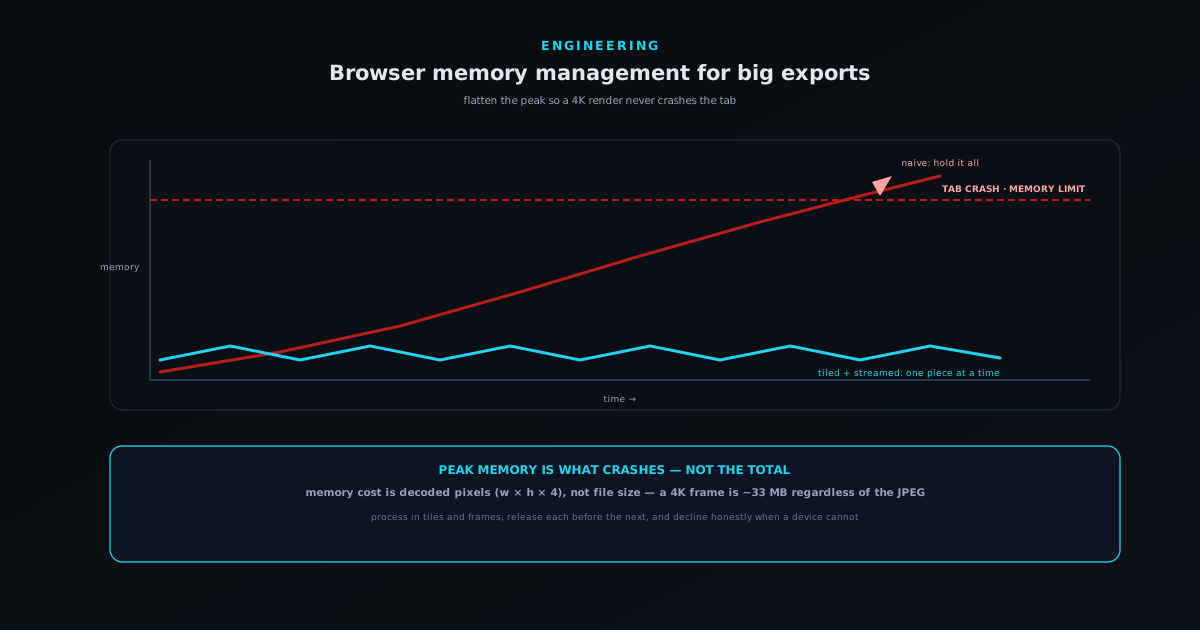
Browser memory management: not crashing the tab on a 4K export
How to keep a heavy in-browser export from crashing the tab: where the memory actually goes (decoded pixels, not file size), why peak usage is what kills you, tiling and streaming so you never hold the whole thing at once, releasing buffers and bitmaps explicitly, and degrading honestly when a device cannot do the job.
Novus Visualizers
Stack & engineering · Jun 9, 2026
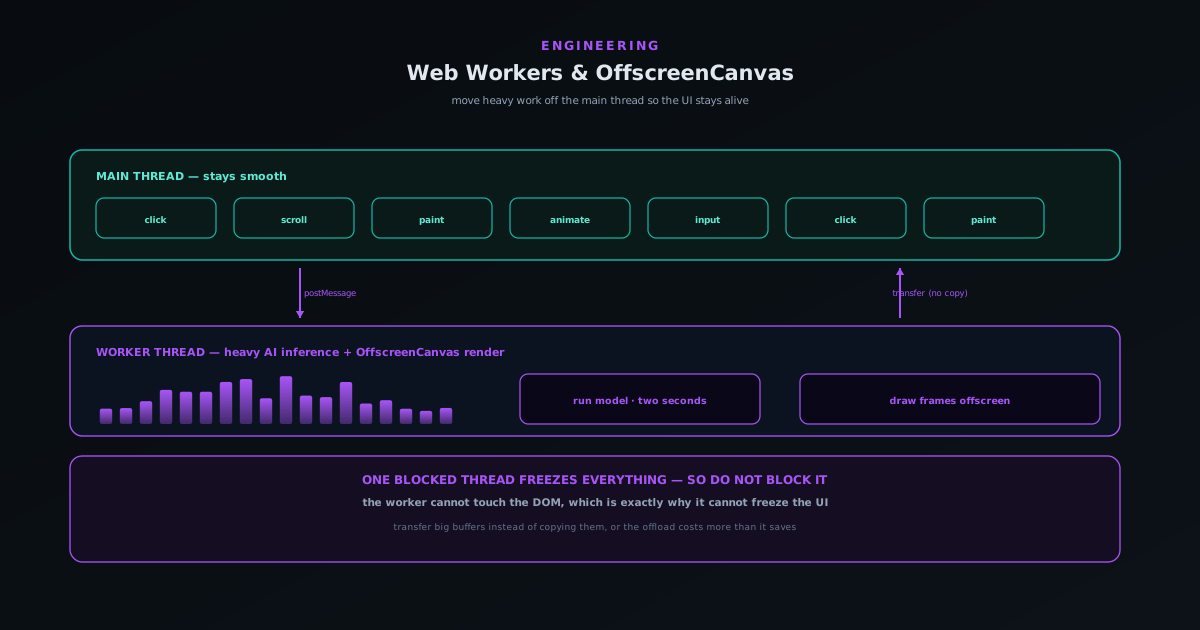
Web Workers and OffscreenCanvas: keeping the UI smooth during heavy AI work
A practical tour of moving heavy work off the main thread: why a single blocked thread freezes everything, what a Web Worker is and how data crosses to it without being copied, how OffscreenCanvas lets a worker draw directly, and the honest trade-offs in complexity that decide when it is worth doing.
NSS Background Remover
Stack & engineering · Jun 8, 2026
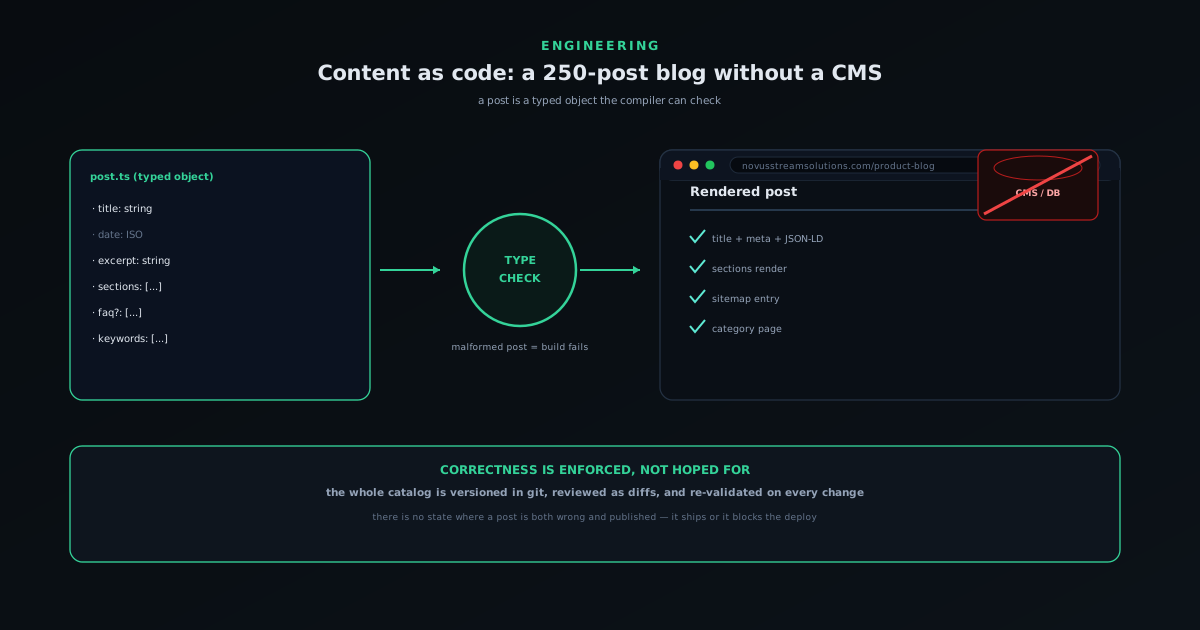
Content as code: running a 250-post blog without a CMS
Why the product blog stores all ~250 posts as typed TypeScript objects instead of in a CMS: the post shape is enforced by the compiler, the whole catalog is versioned and reviewable in git, broken posts cannot ship, and the same tools that build the app build the content — plus an honest account of where this approach stops scaling.
Novus Stream Solutions (hub)
Stack & engineering · Jun 7, 2026
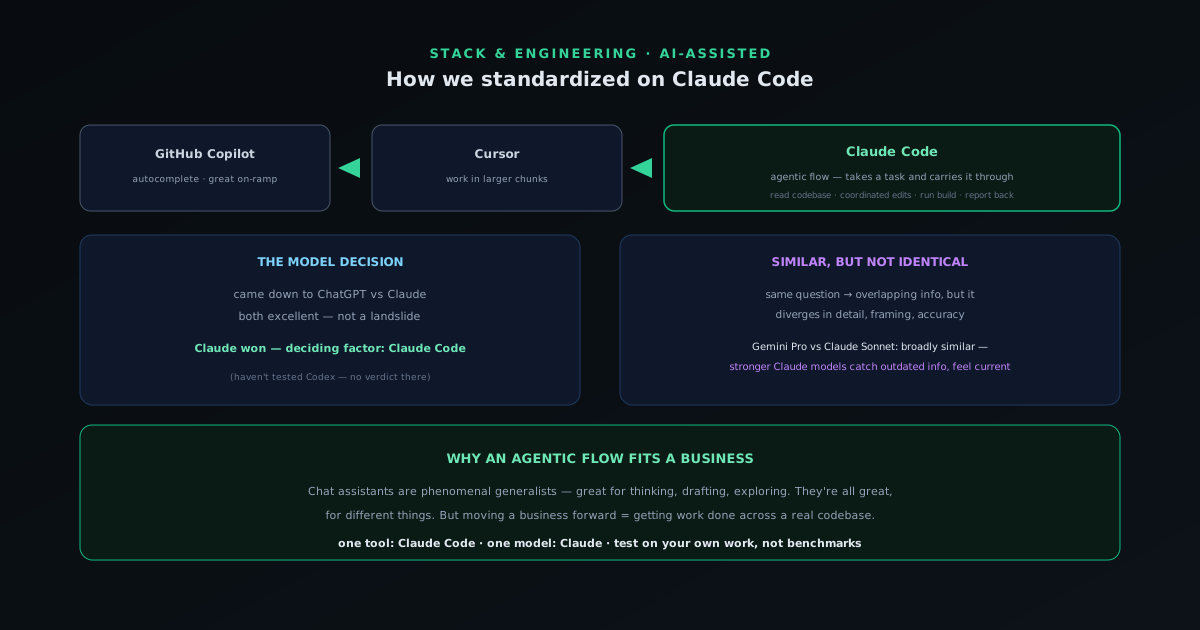
How we standardized on Claude Code to build our apps
Our path through AI coding tools and LLMs, and why an agentic flow won out for a small business.
Novus Stream Solutions (hub)
Stack & engineering · Jun 7, 2026
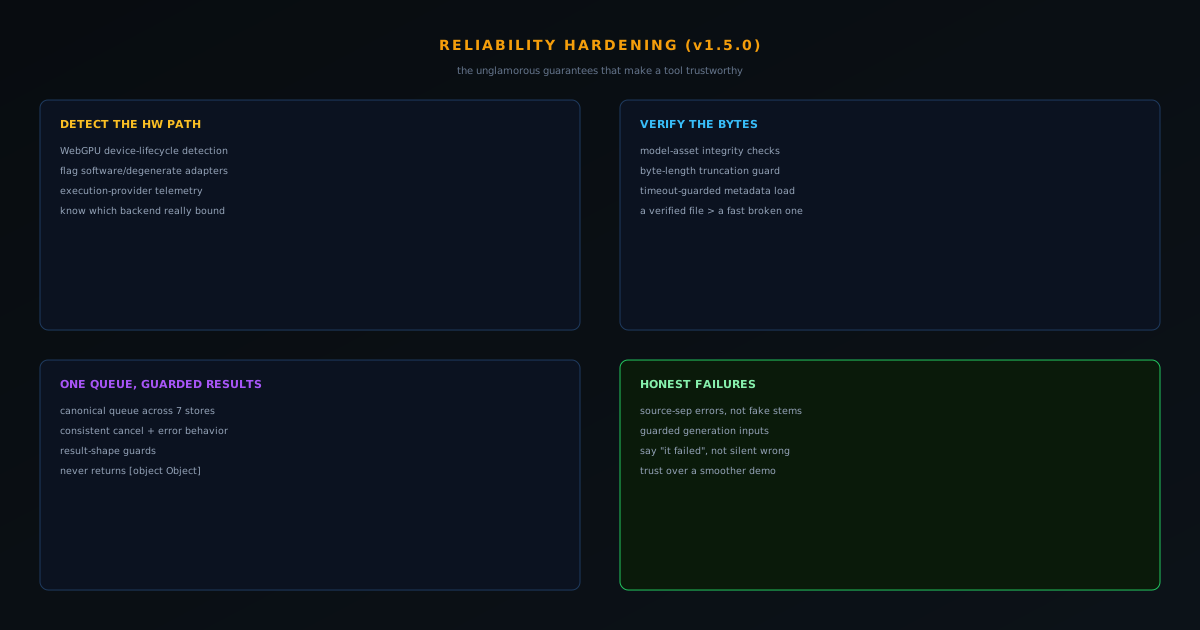
Reliability hardening: device lifecycle, model integrity, and honest failures
An engineering note on the unglamorous guarantees that make a tool trustworthy — and why honest failures beat silent wrong answers.
Stack & engineering
Stack & engineering · Jun 6, 2026
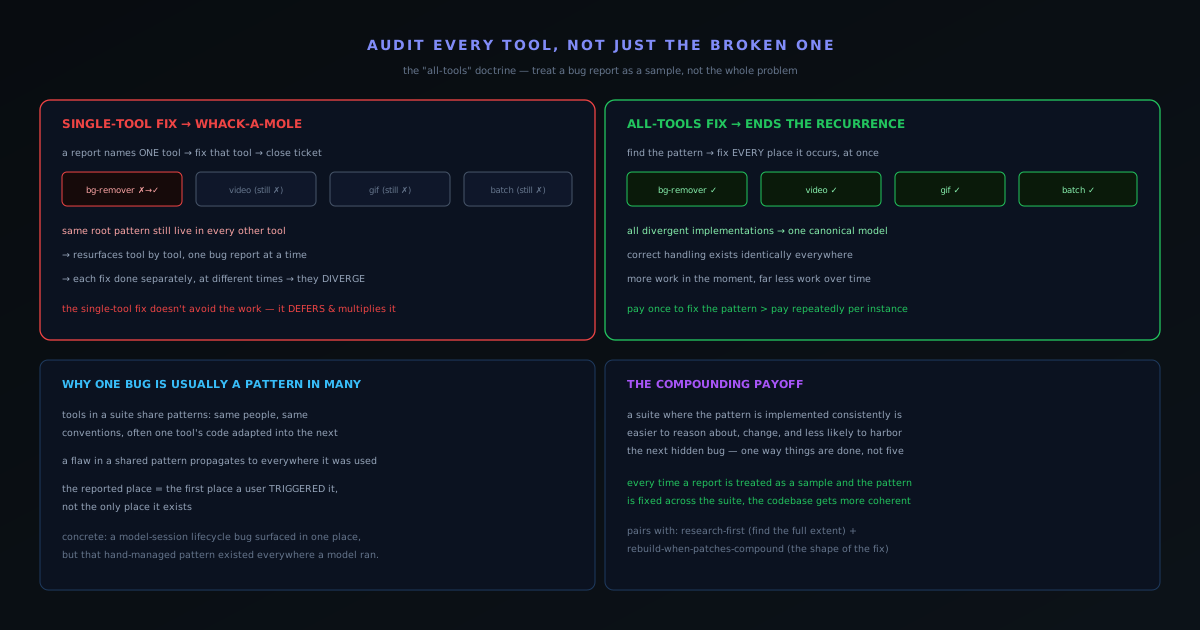
Audit every tool, not just the broken one: the "all-tools" doctrine behind our refactors
Why a bug reported in one place is almost always a pattern that lives in several, and the discipline of fixing the pattern everywhere at once.
Engineering
Stack & engineering · Jun 5, 2026
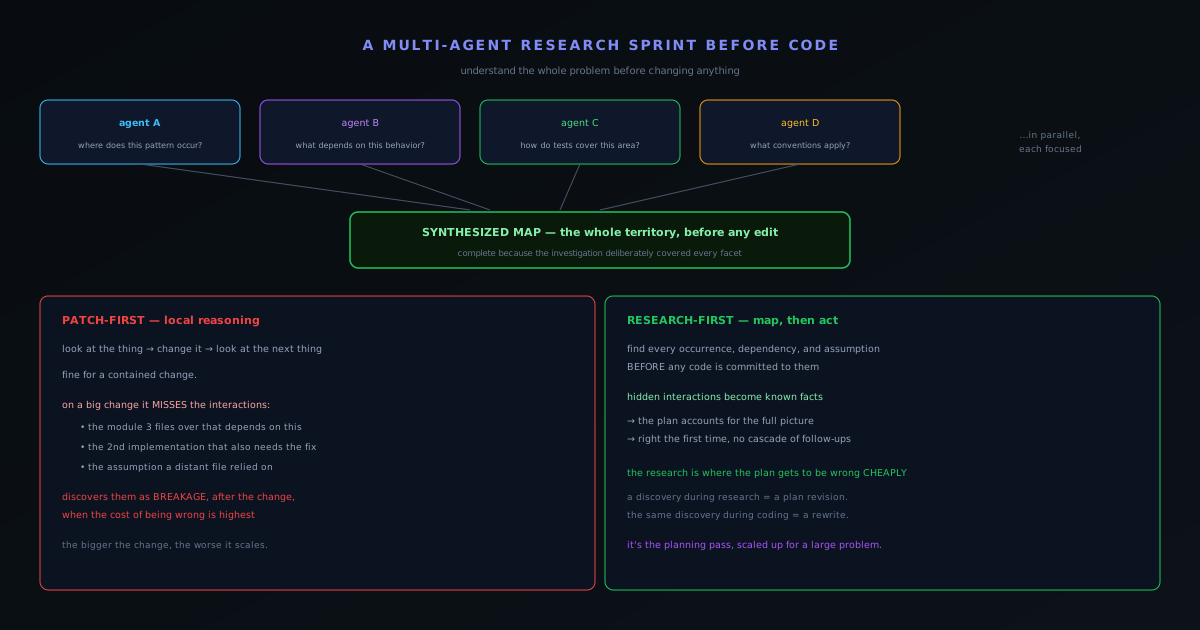
Running a multi-agent research sprint before touching code
How to use parallel agents to understand a problem completely before changing anything, and why that front-loaded research pays for itself on large work.
Engineering
Stack & engineering · Jun 5, 2026
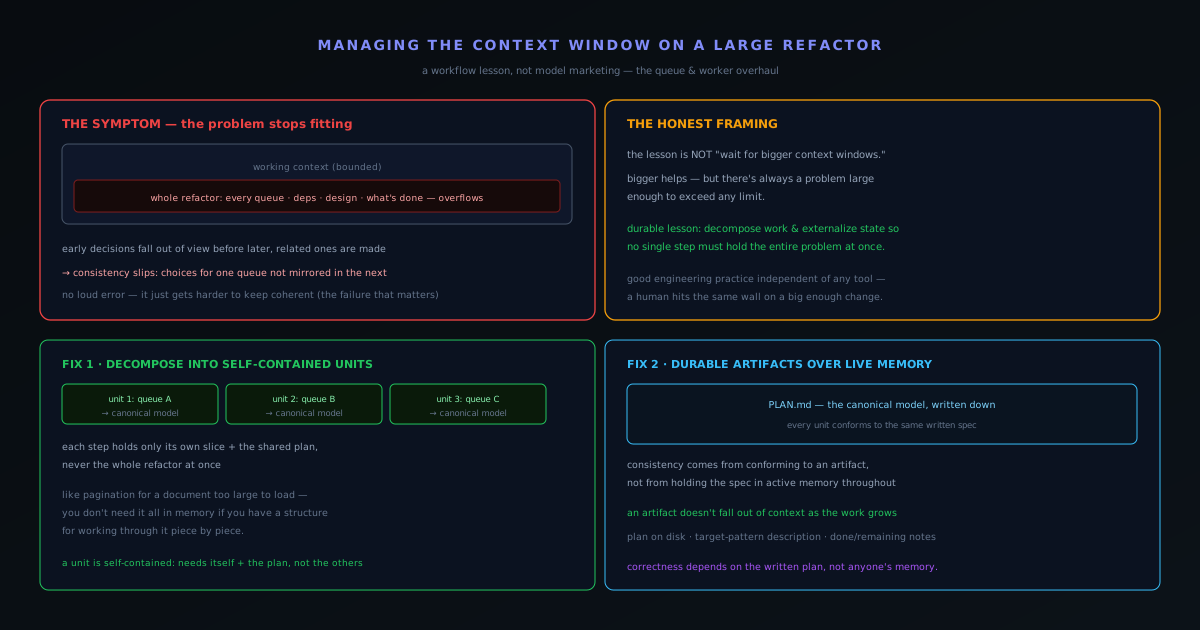
Managing the context window on a large refactor: what broke and how we fixed our sessions
A workflow lesson, not model marketing: how to structure a large refactor so it survives the limits of what can be held in working context at once.
Engineering