Product blog
Product blog
Product updates, field guides, and field notes—each with links to docs and the hub where relevant. High-level milestones also appear on the changelog.
Topic
 Read
ReadField guide · Jun 10, 2026
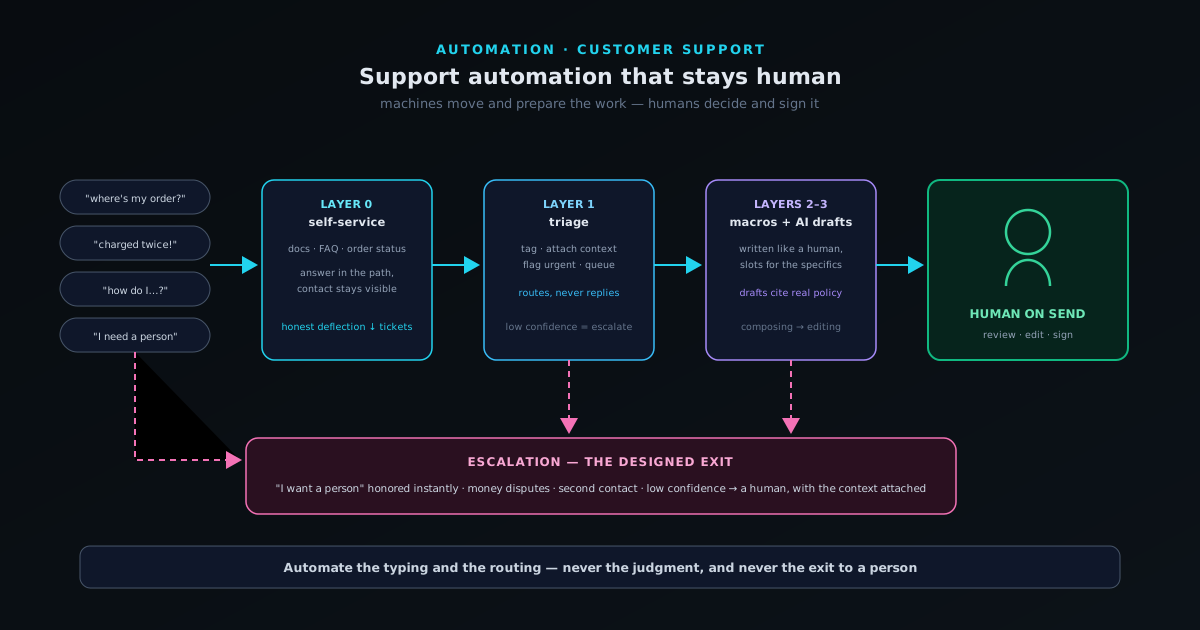
Support automation that stays human: macros, AI drafts, and escalation paths
A layered design for small-team support automation: self-service that deflects honestly, triage that routes instead of replies, macros written like humans, AI drafts with a human on send, and the escalation paths that keep edge cases from being crushed by templates.
- Automate typing, not judgment
- AI drafts, human sends
- Always a visible path to a person
Novus Stream Solutions
 Read
ReadField guide · Jun 10, 2026
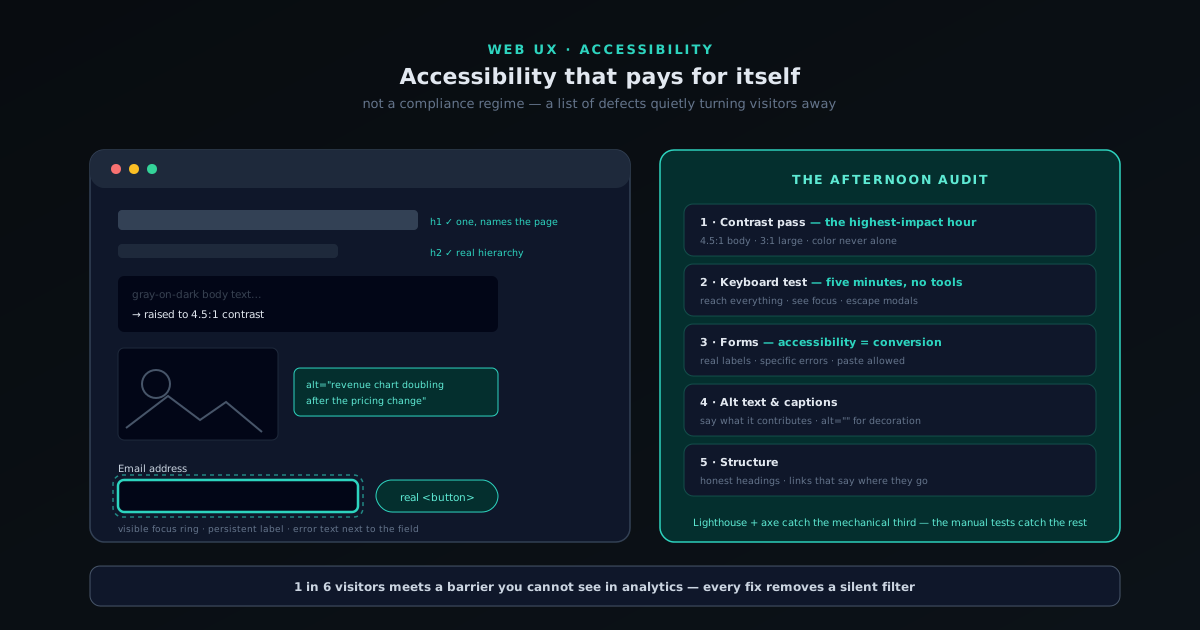
Accessibility that pays for itself: a practical pass for small sites
A working accessibility pass for small-site owners: the overlap between accessible and good, contrast and color, keyboard and focus, forms that explain their errors, alt text and media, heading structure — and how to test all of it in an afternoon with free tools.
- Accessible and usable overlap heavily
- An afternoon covers the big wins
- Free tools test most of it
Novus Stream Solutions
 Read
ReadField guide · Jun 10, 2026
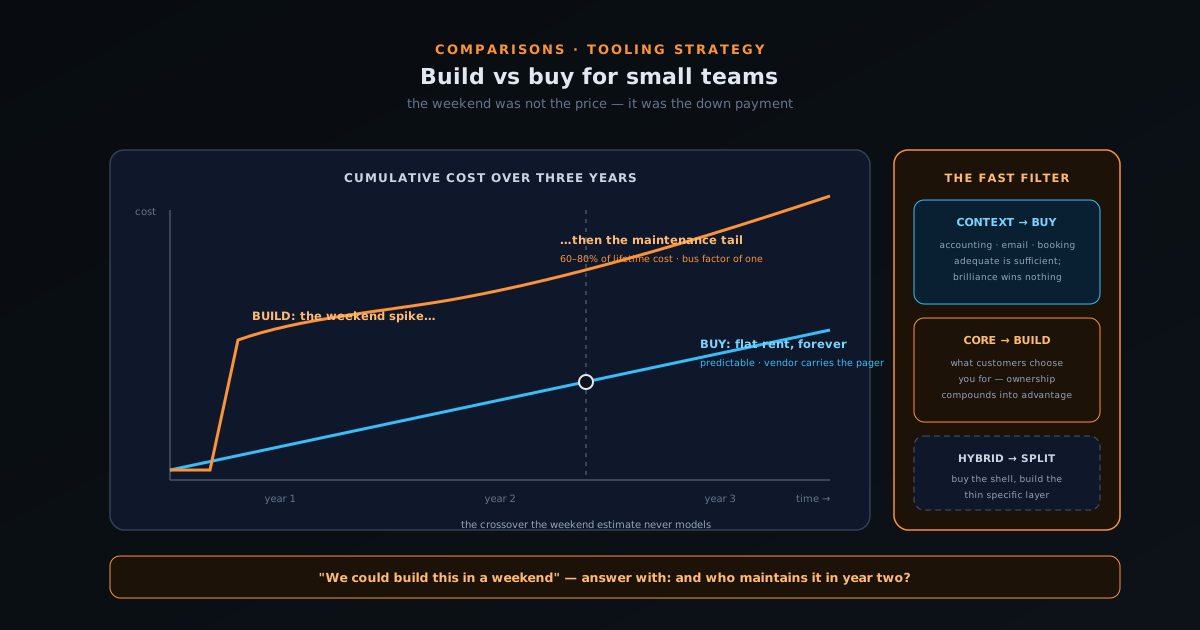
Build vs buy for small teams: when a subscription beats custom code
A working decision framework for build-versus-buy at small scale: the maintenance tail that dwarfs the build cost, the subscription stack that quietly becomes rent, the core-versus-context test, and why AI-assisted coding changes the math less than it seems to.
- The build cost is the down payment
- Core vs context decides most cases
- Subscriptions are rent — audit them
Novus Stream Solutions
 Read
ReadField guide · Jun 10, 2026
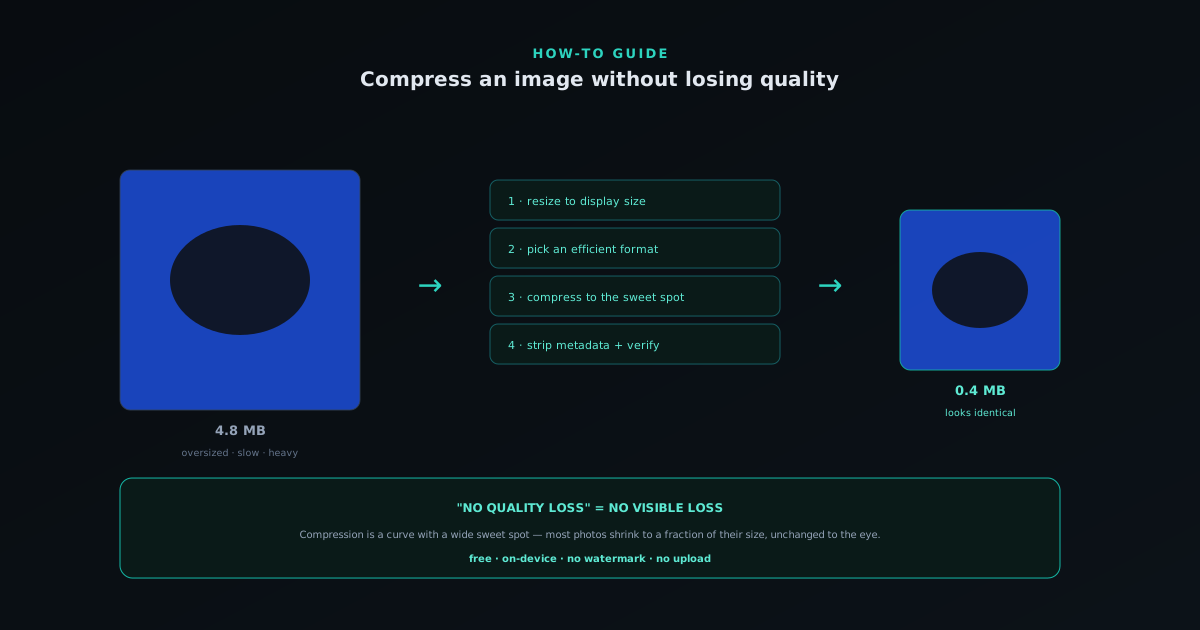
How to compress an image without losing quality
What "losing quality" really means, lossy vs lossless, resizing before compressing, and the format and settings that shrink an image with no visible loss.
- Lossy vs lossless
- Resize before you compress
- No visible quality loss
NSS Background Remover
 Read
ReadField guide · Jun 10, 2026
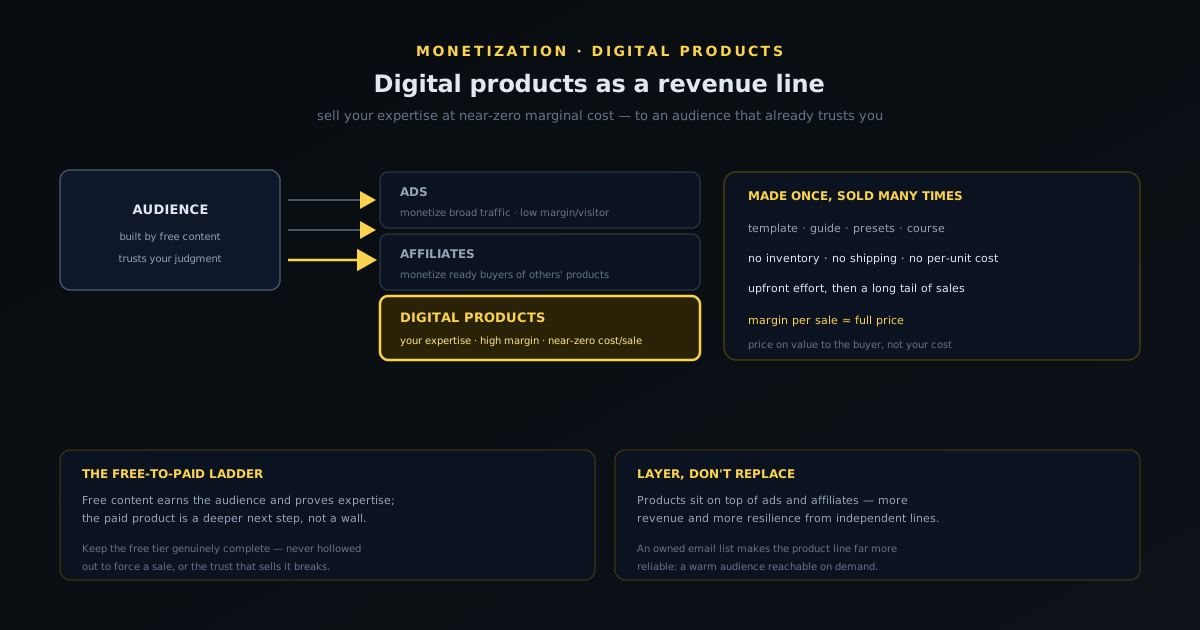
Digital products as a revenue line for a content site
Why digital products fit a content site, the formats that work, pricing and near-zero marginal cost, and how to sell without breaking the trust that the free content built.
- Near-zero marginal cost
- Formats that actually sell
- Sell without breaking trust
Novus Stream Solutions (hub)
 Read
ReadField guide · Jun 10, 2026
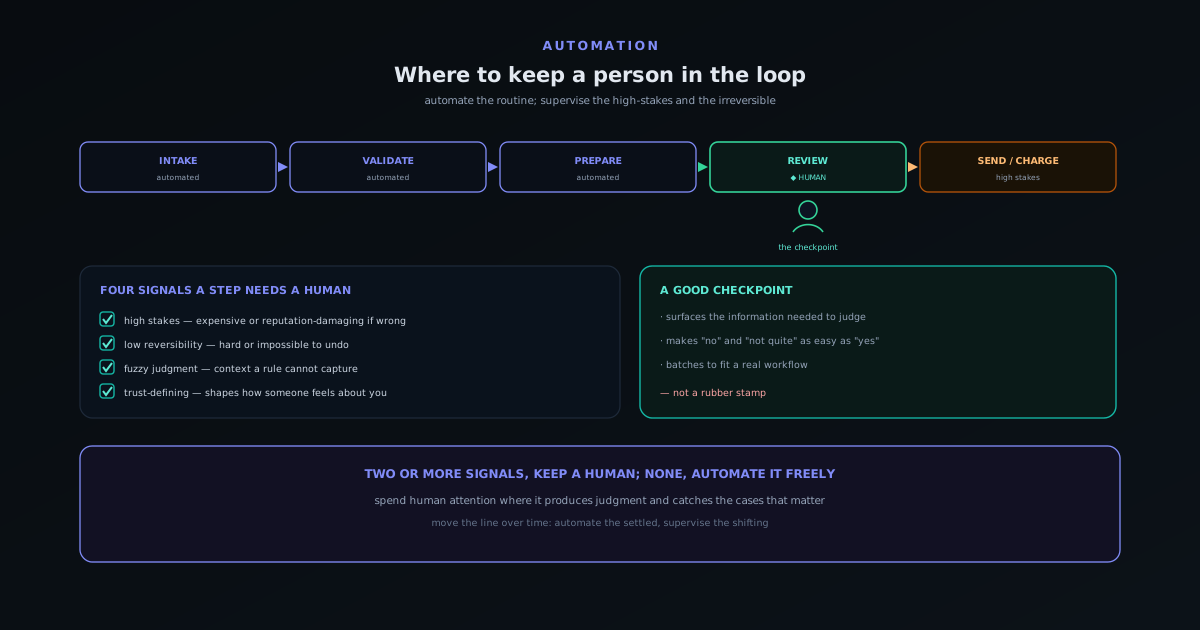
Human-in-the-loop automation: where to keep a person in the workflow
Why full automation is the wrong default for some steps, the four signals that a step needs a human (high stakes, low reversibility, fuzzy judgment, trust-defining), how to design a checkpoint that adds value instead of friction, and how to move the line over time as you build confidence.
- When NOT to automate
- Four signals for a checkpoint
- Designing the human step well
Novus Stream Solutions (hub)
 Read
ReadField guide · Jun 10, 2026
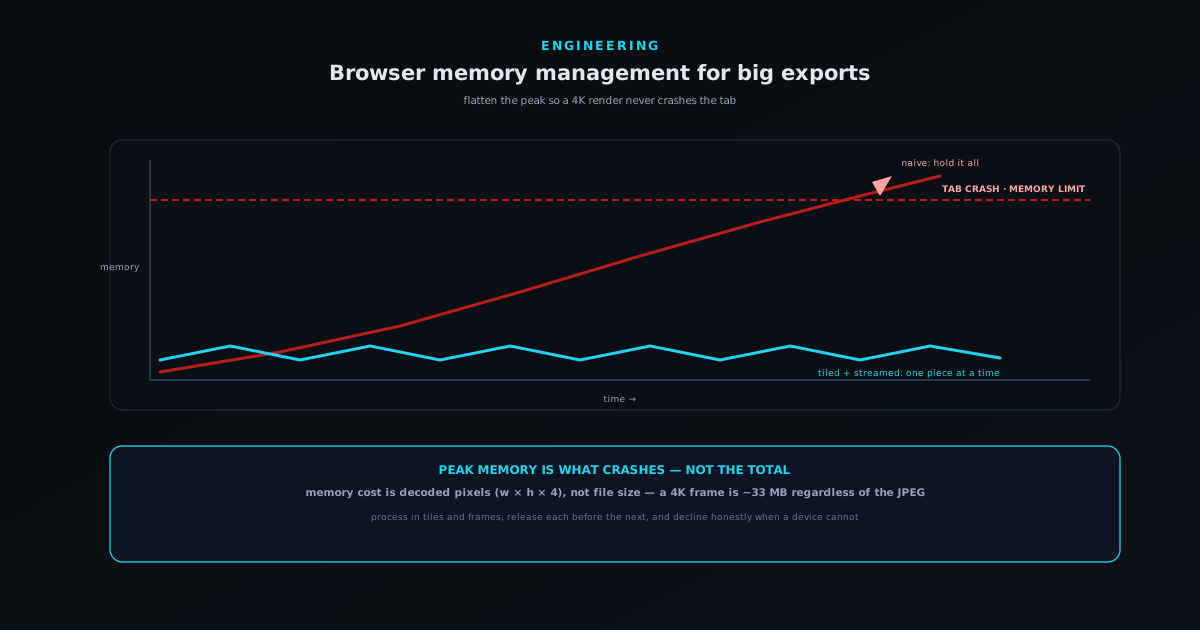
Browser memory management: not crashing the tab on a 4K export
How to keep a heavy in-browser export from crashing the tab: where the memory actually goes (decoded pixels, not file size), why peak usage is what kills you, tiling and streaming so you never hold the whole thing at once, releasing buffers and bitmaps explicitly, and degrading honestly when a device cannot do the job.
- Decoded pixels dwarf file size
- Peak memory is what crashes
- Stream and tile; release early
Novus Visualizers
 Read
ReadField guide · Jun 10, 2026
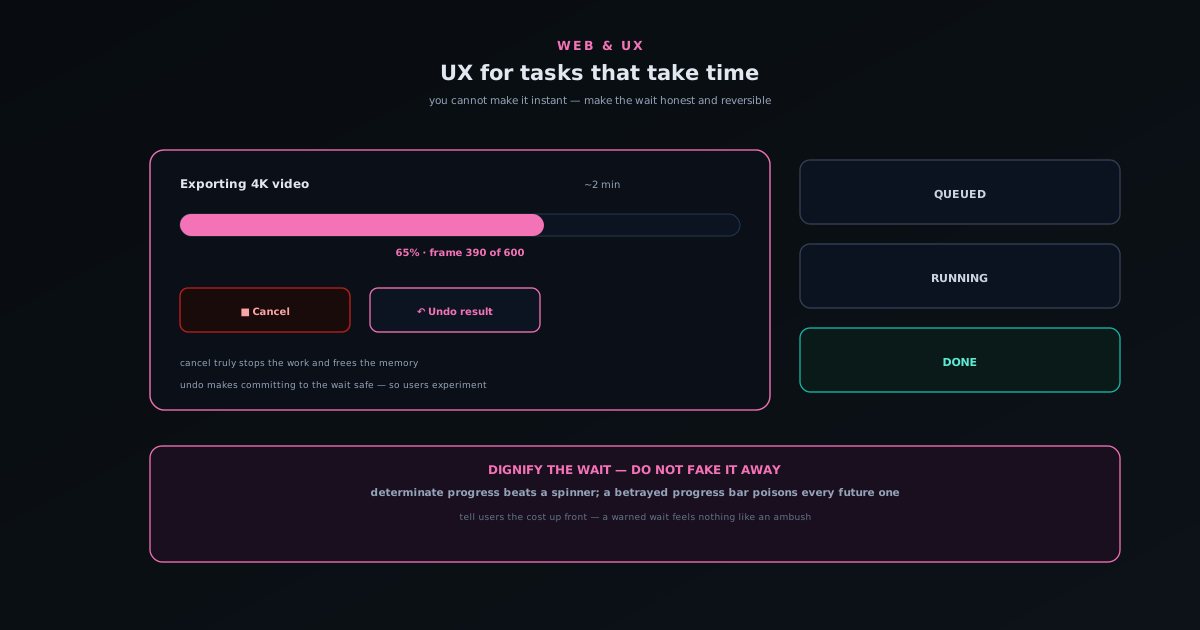
UX for tasks that take time: progress, cancel, and undo
How to design for operations that genuinely take time: the difference between perceived and real performance, why determinate progress beats an endless spinner, building a cancel that actually stops the work, giving slow results an undo so commitment never feels risky, and being honest when something will take a while.
- Honest progress, not a fake spinner
- A cancel that truly stops it
- Undo makes the wait safe
Novus Visualizers
 Read
ReadField guide · Jun 10, 2026
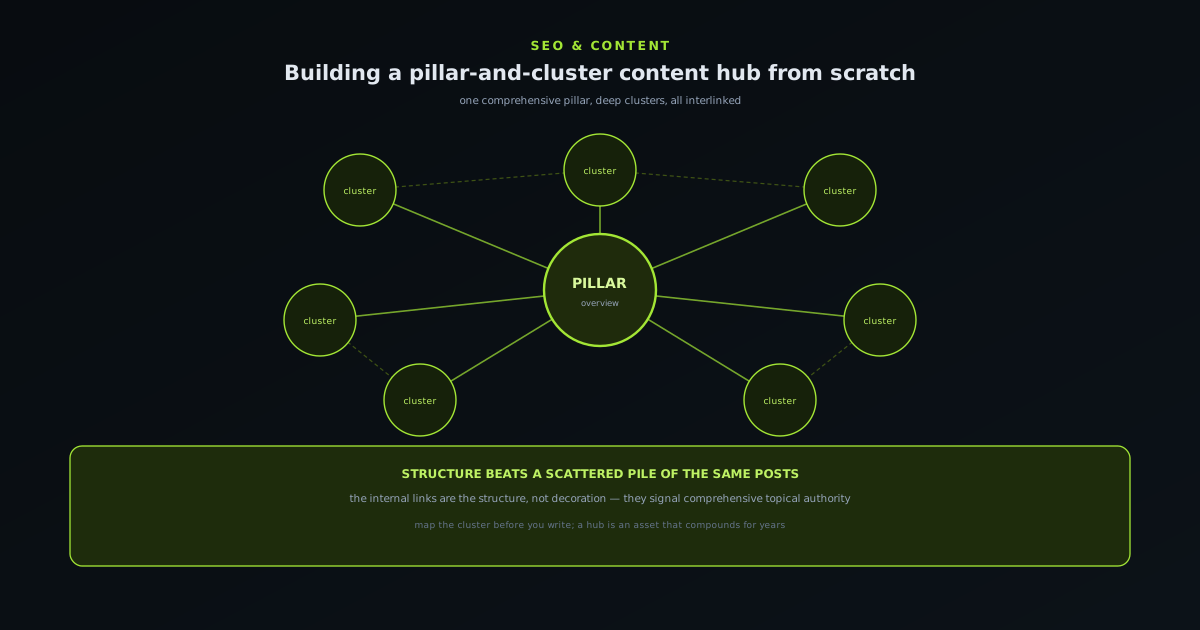
Building a pillar-and-cluster content hub from scratch
A step-by-step guide to organising content into a hub that ranks: what the pillar-and-cluster model is, why structured topical coverage beats scattered posts, how to choose a pillar and map its cluster, why the internal links are the structure rather than decoration, how to build the hub so the links stay correct as it grows, and the mistakes — thin clusters, orphans, cannibalisation — that undermine it.
- One pillar, many deep clusters
- Internal links are the structure
- Topical authority compounds
Novus Stream Solutions (hub)
 Read
ReadField guide · Jun 10, 2026
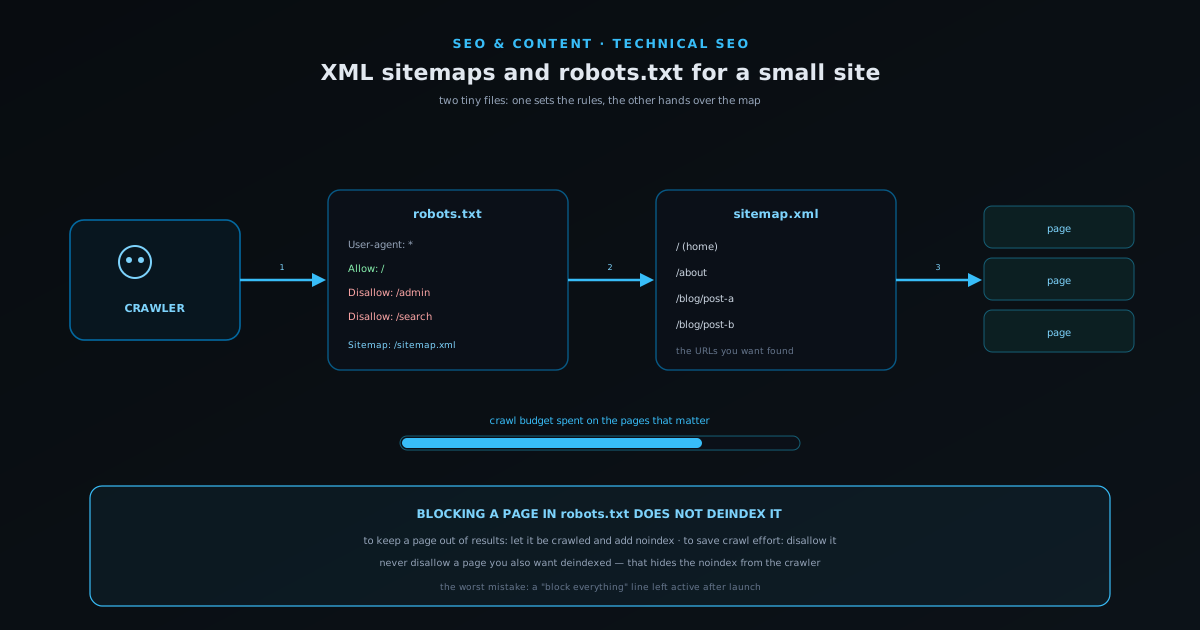
XML sitemaps and robots.txt for a small site
A plain guide to the two files that shape how search engines crawl a small site: what robots.txt actually controls and the dangerous difference between blocking crawling and preventing indexing, what an XML sitemap is and is not, how the two work together, the classic mistakes that accidentally deindex a site, and the light maintenance that keeps both honest as the site grows.
- robots.txt sets the rules
- Sitemap hands over the map
- Blocking ≠ deindexing
Novus Stream Solutions (hub)